Oscar Wilde at Père Lachaise: Fans and Conservation
Why Wilde’s tomb became a shrine: Epstein’s design, the cult of touch, and conservation responses.
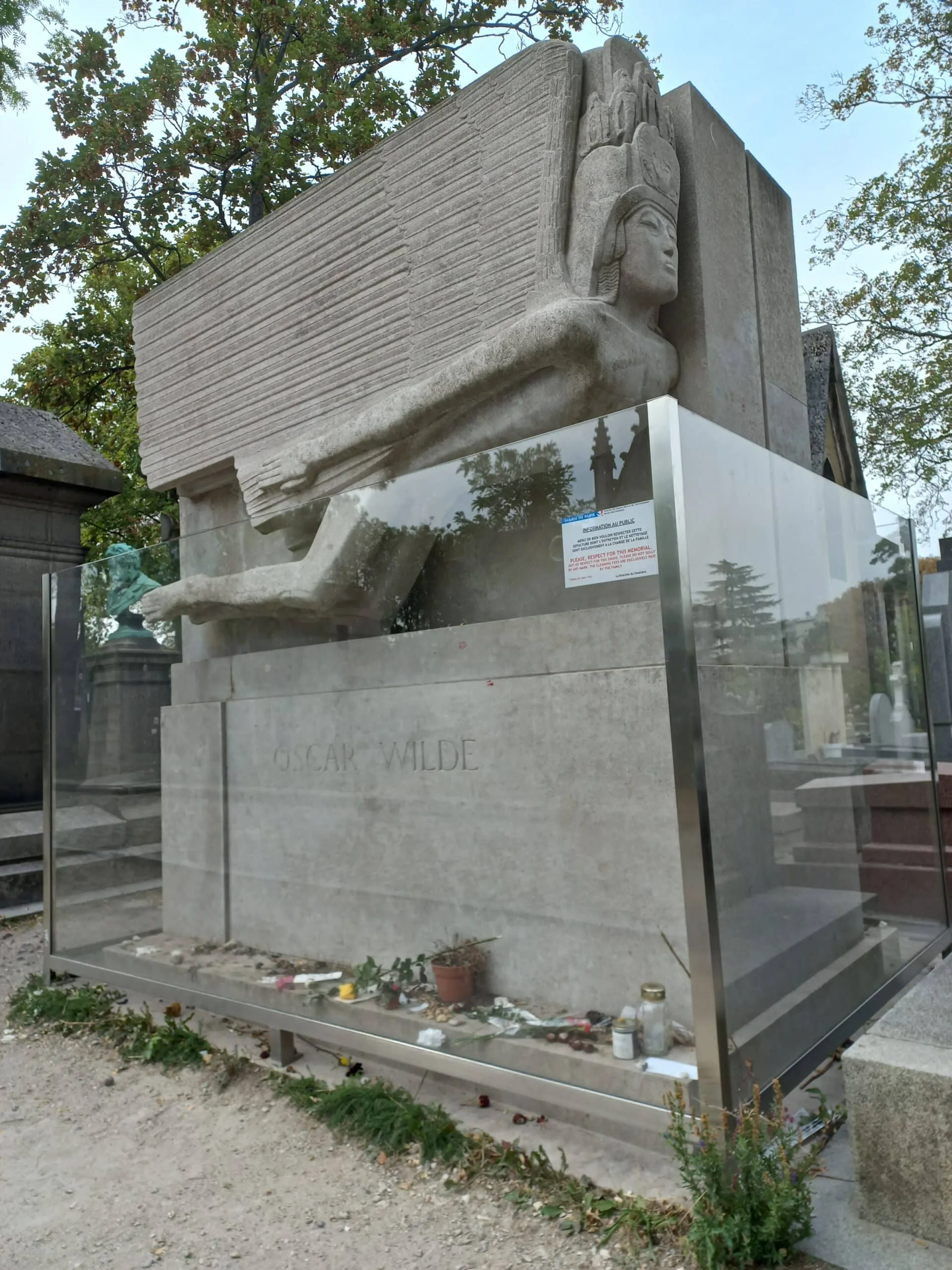
Oscar Wilde’s monument, sculpted by Jacob Epstein, is a modernist winged figure that turned into a shrine. Fans leave notes; once, lipstick kisses accumulated — now a glass barrier mediates touch and preservation.
Design & Iconography
- Winged flight: A figure that suggests escape and spirit.
- Material: Stone polished for light and abstraction.
- Inscription: Text anchors biography to place.
Ritual vs. Conservation
- Touch desire: Fans seek contact, a proxy for communion.
- Barrier logic: Controls lipstick acids and staining.
- Interpretation: Panels narrate why limits protect meaning.
| Issue | Cause | Response |
|---|---|---|
| Lipstick damage | Oils, dyes | Glazing barrier |
| Surface wear | Repeated touch | Signage, stewardship |
| Litter | Notes, candles | Designated offerings |
$$ ext{Surface Risk Index} = 0.5, ext{oils} + 0.3, ext{dyes} + 0.2, ext{abrasion} $$
📸 Gallery
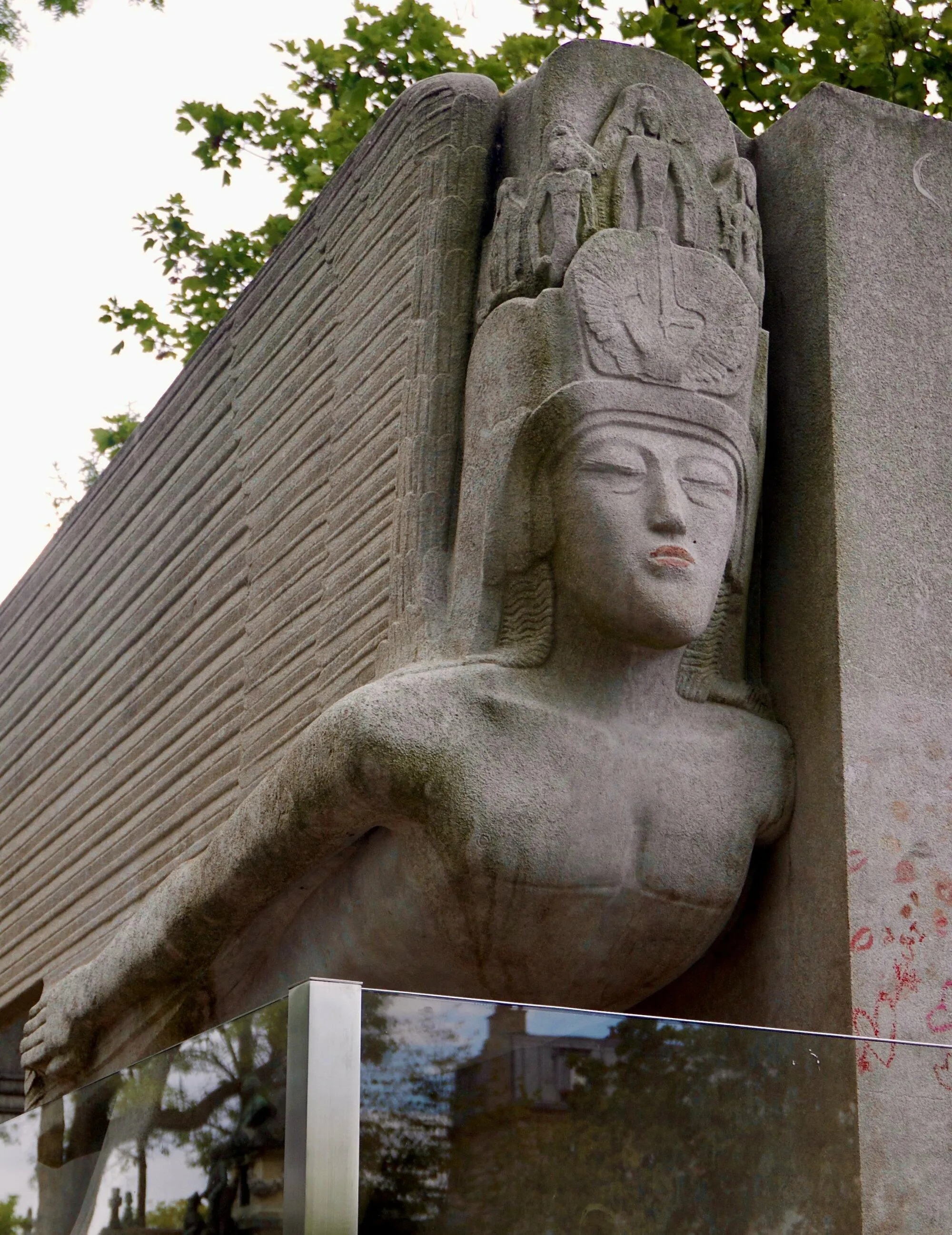
A tomb becomes a stage for modern devotion — carefully managed to keep the story legible.
[^lipstick]: The barrier was introduced after conservation reports identified cumulative staining from lipstick tributes.
Over de auteur

Funerary Art Conservator
Als doorgewinterde Parijse wandelaar en verteller schreef ik deze gids om bezoekers te helpen hun weg te vinden op Père Lachaise — van legendes en liefdes tot stille gedenkplekken en de dagelijkse tederheid van herinnering.
Tags
Comments (0)
Loading comments...