Père Lachaise Origins: Planning, Memory, and Urban Nature
A deep dive into Père Lachaise’s founding vision: garden‑cemetery logic, axial paths, and how planning shaped Parisian remembrance.
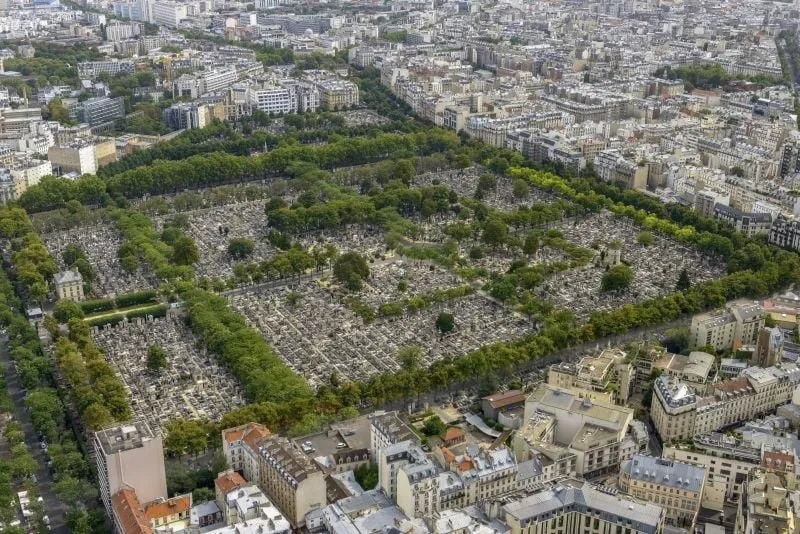
Père Lachaise is Paris’s prototype garden‑cemetery — a planned landscape where memory, ecology, and urban order meet. Founded in the early 19th century under Napoleonic reforms, it reorganized funerary practice: outside city limits, hygienic terrain, and legible plots.
Overview
- Garden logic: Trees, paths, and terraces form a mosaic of plots.
- Axial clarity: Main avenues orient procession and navigation.
- Publicness: A civic landscape where private mourning intersects urban strolling.
A cemetery becomes a city of memory — with streets, addresses, and districts of style.
🧭 Layout & Wayfinding
- Primary axes: North–south spines manage movement and views.
- Secondary paths: Meandering lanes mediate between monuments and vegetation.
- Terracing: Slopes are stepped for stability and drainage.
| Element | Role | Effect |
|---|---|---|
| Main avenues | Orientation | Legible bearings |
| Squares | Gathering nodes | Pause and reflection |
| Terraces | Soil stability | Accessible plots |
$$ ext{Path Porosity} = rac{ ext{minor path length}}{ ext{major axis length}} o 1.6 ext{–}2.1 $$
🌳 Ecology & Health
- Canopy: Deciduous species regulate light and microclimate.
- Drainage: Gravels and soils channel water away from tomb bases.
- Biodiversity: Birds, mosses, and lichens colonize stone.
📸 Gallery
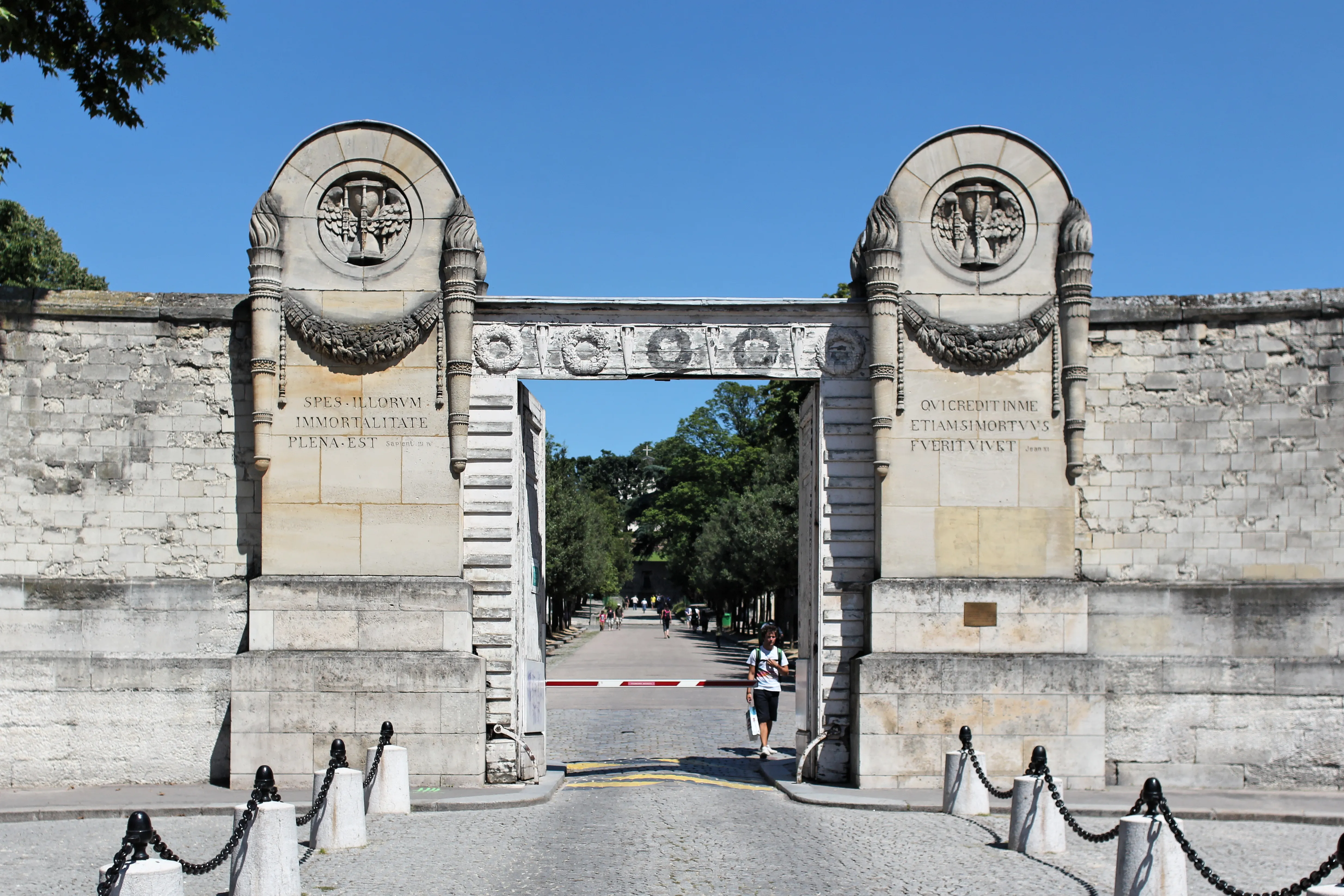
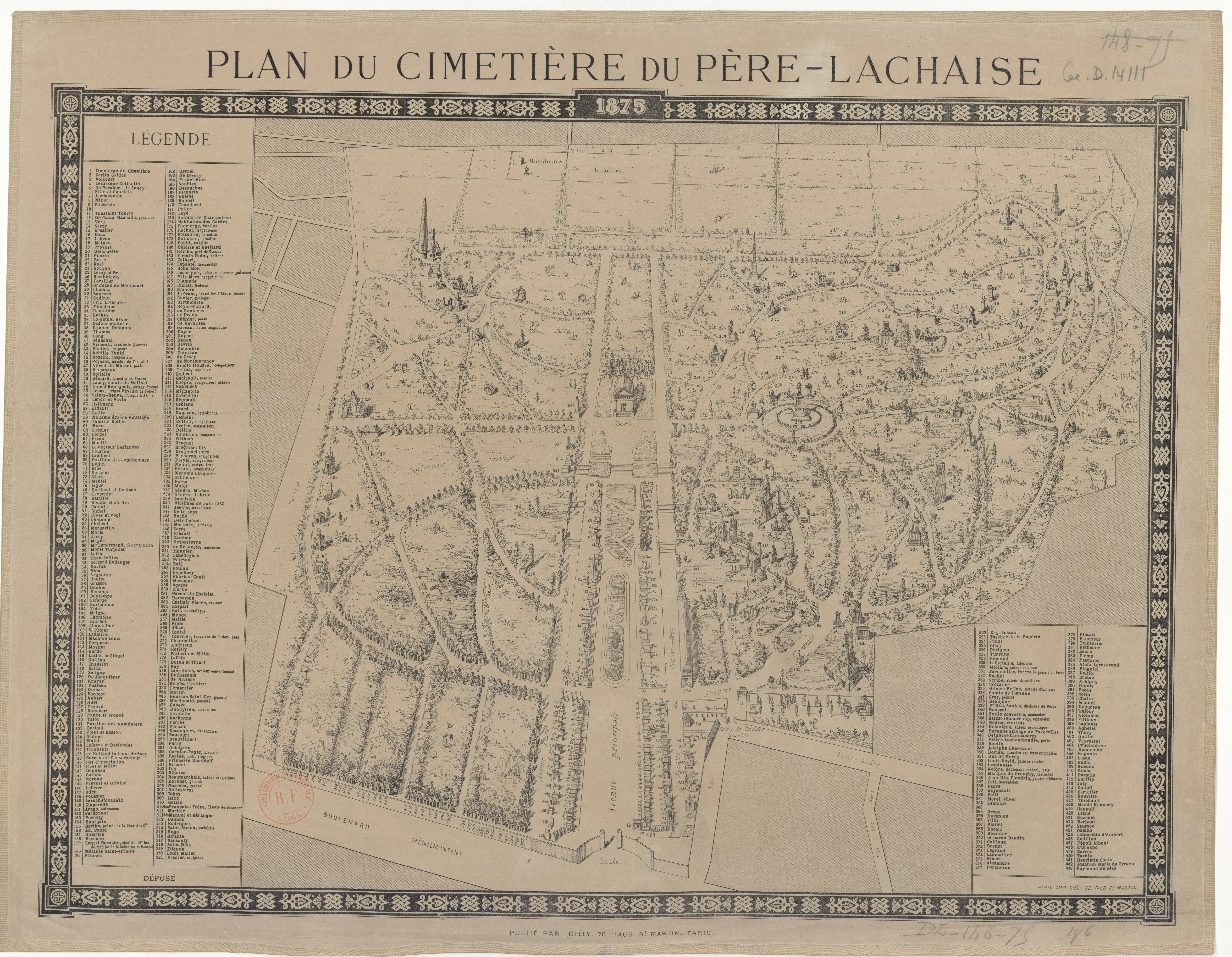
Père Lachaise codifies remembrance in paths and plots — a landscape where urban order and mourning align.
[^founding]: Napoleonic edicts relocated cemeteries beyond city centers to improve air, drainage, and public health.
Over de auteur

Cemetery Historian
Als doorgewinterde Parijse wandelaar en verteller schreef ik deze gids om bezoekers te helpen hun weg te vinden op Père Lachaise — van legendes en liefdes tot stille gedenkplekken en de dagelijkse tederheid van herinnering.
Tags
Comments (0)
Loading comments...