Père Lachaise Origins: Planning, Memory, and Urban Nature
A deep dive into Père Lachaise’s founding vision: garden‑cemetery logic, axial paths, and how planning shaped Parisian remembrance.
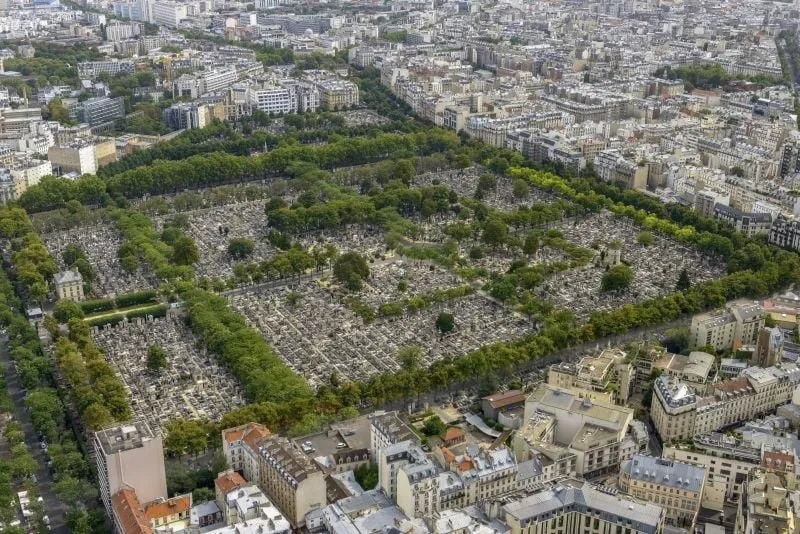
Père Lachaise is Paris’s prototype garden‑cemetery — a planned landscape where memory, ecology, and urban order meet. Founded in the early 19th century under Napoleonic reforms, it reorganized funerary practice: outside city limits, hygienic terrain, and legible plots.
Overview
- Garden logic: Trees, paths, and terraces form a mosaic of plots.
- Axial clarity: Main avenues orient procession and navigation.
- Publicness: A civic landscape where private mourning intersects urban strolling.
A cemetery becomes a city of memory — with streets, addresses, and districts of style.
🧭 Layout & Wayfinding
- Primary axes: North–south spines manage movement and views.
- Secondary paths: Meandering lanes mediate between monuments and vegetation.
- Terracing: Slopes are stepped for stability and drainage.
| Element | Role | Effect |
|---|---|---|
| Main avenues | Orientation | Legible bearings |
| Squares | Gathering nodes | Pause and reflection |
| Terraces | Soil stability | Accessible plots |
$$ ext{Path Porosity} = rac{ ext{minor path length}}{ ext{major axis length}} o 1.6 ext{–}2.1 $$
🌳 Ecology & Health
- Canopy: Deciduous species regulate light and microclimate.
- Drainage: Gravels and soils channel water away from tomb bases.
- Biodiversity: Birds, mosses, and lichens colonize stone.
📸 Gallery
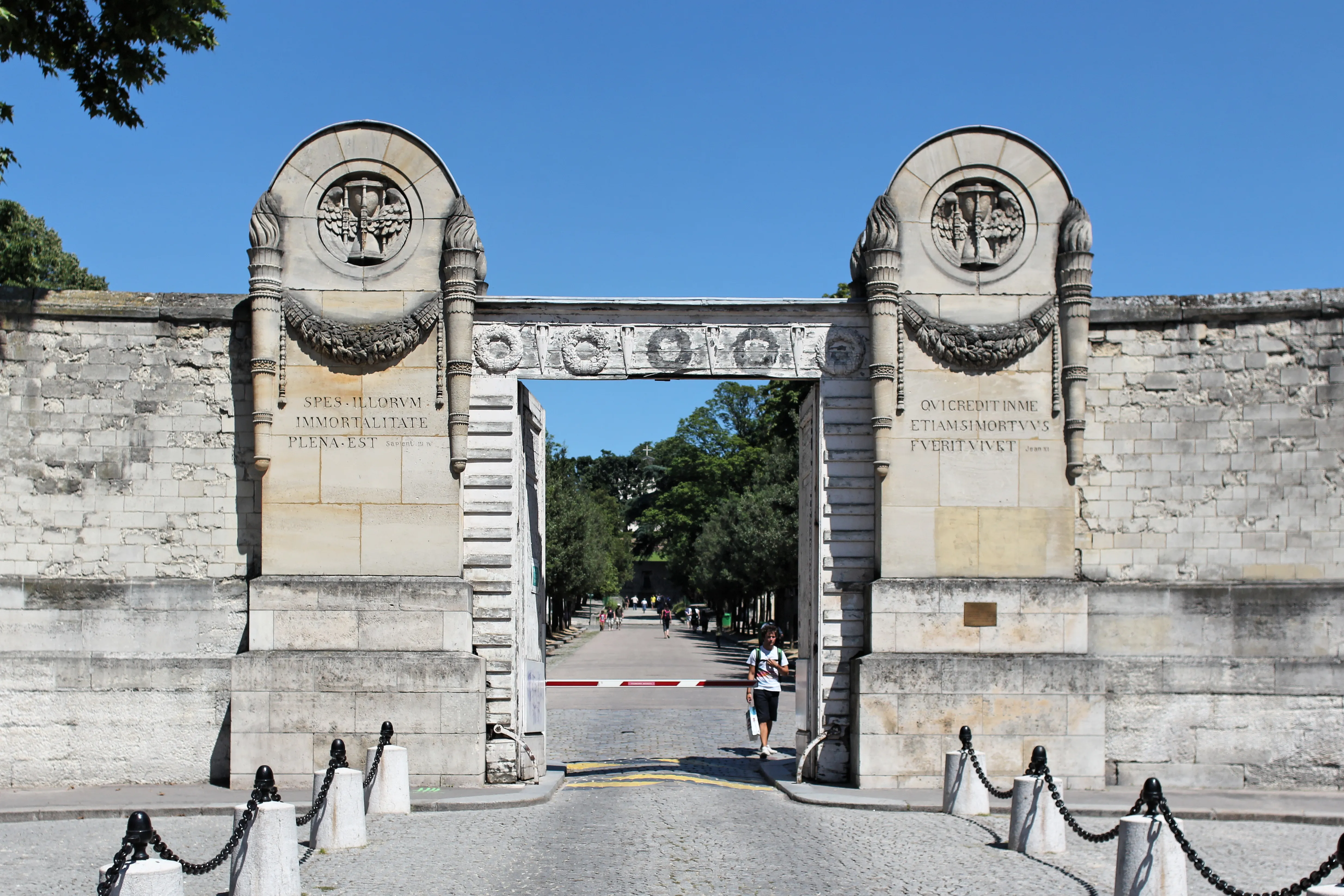
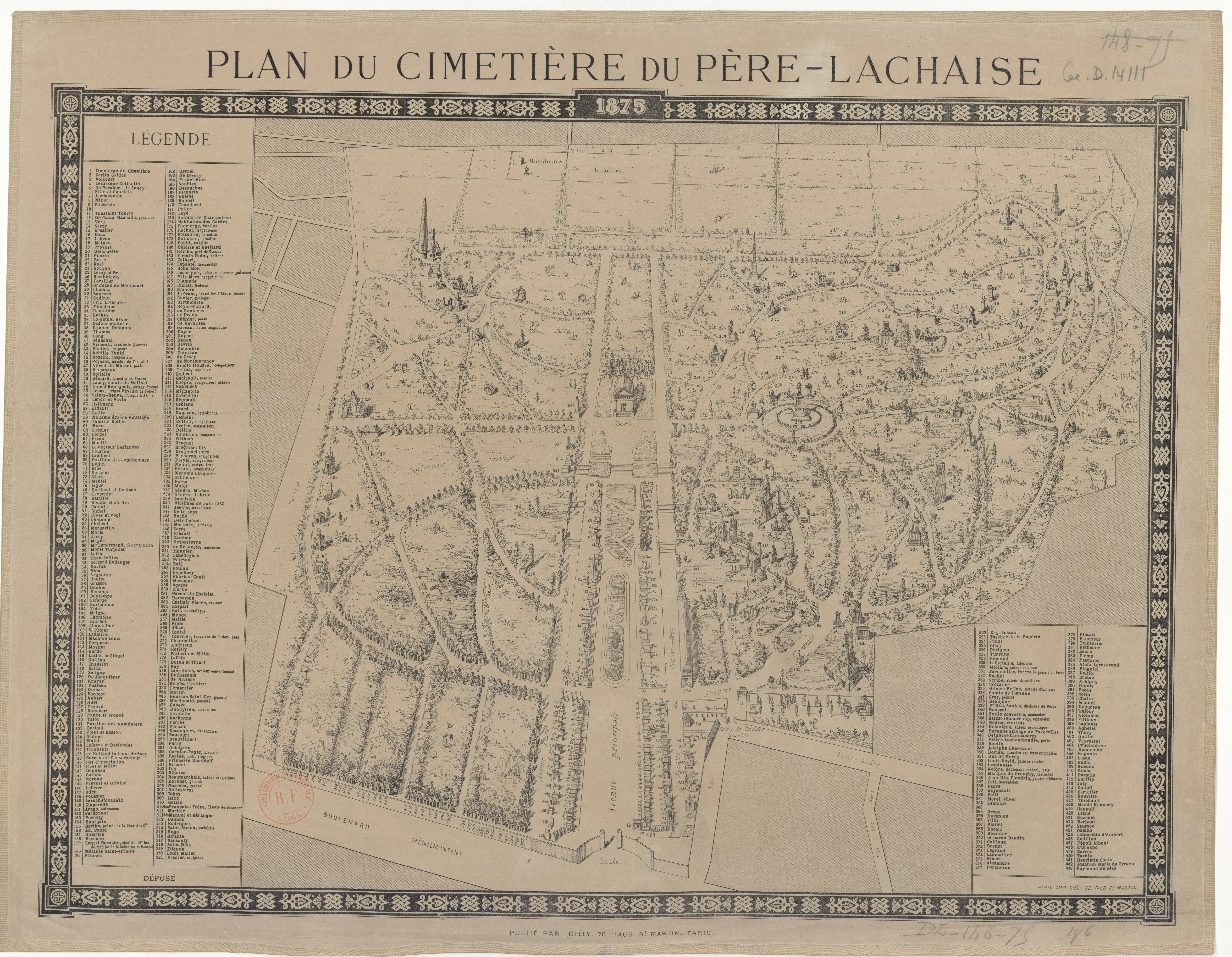
Père Lachaise codifies remembrance in paths and plots — a landscape where urban order and mourning align.
[^founding]: Napoleonic edicts relocated cemeteries beyond city centers to improve air, drainage, and public health.
O autorze

Cemetery Historian
Jako wieloletni piechur i opowiadacz Paryża, przygotowałem ten przewodnik, aby pomóc odwiedzającym odnaleźć drogę na Père Lachaise — od legend i historii miłosnych po ciche pomniki i łagodną codzienność pamiętania.
Tags
Comments (0)
Loading comments...