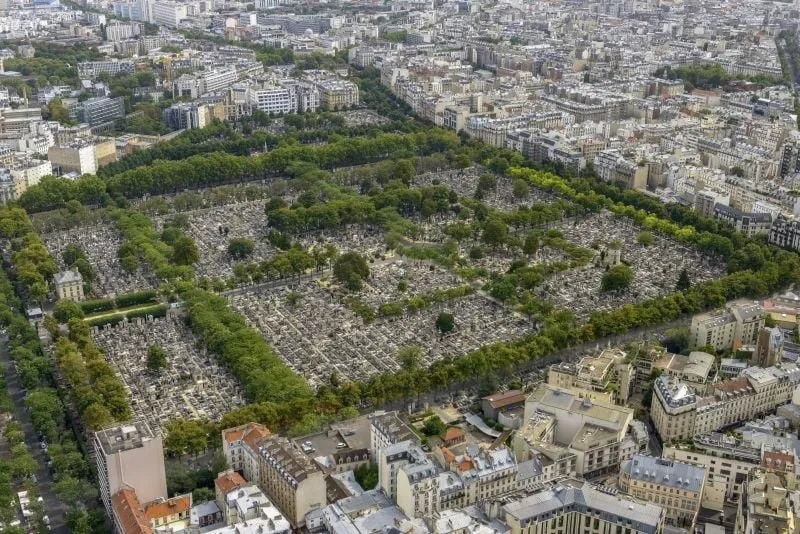
Père Lachaise: Origins, Layout, and Urban Design
From Napoleonic policy to garden‑cemetery planning: how Père Lachaise merged memory, ecology, and urban legibility.
→
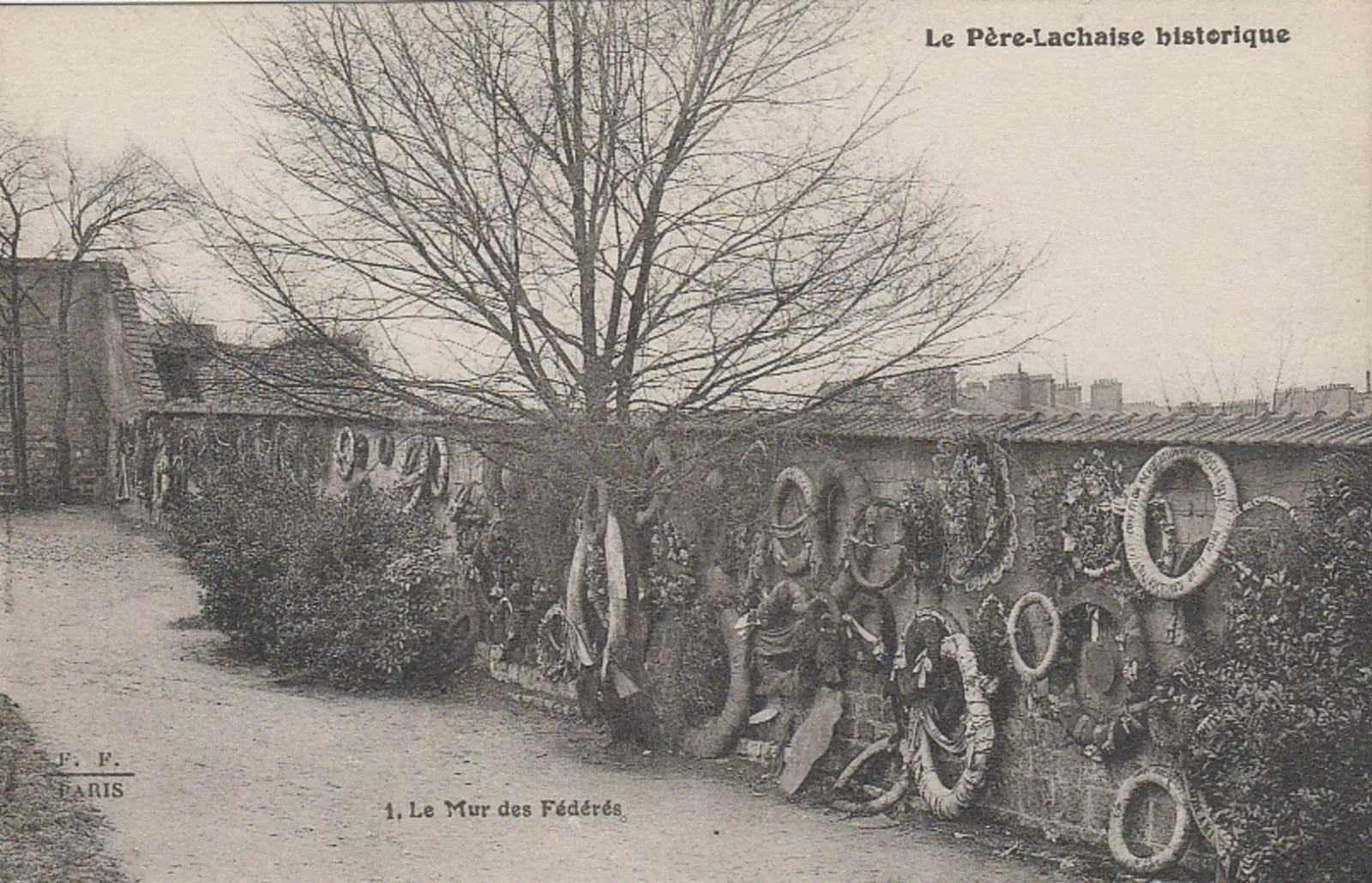
Mur des Fédérés: The Communards’ Wall
How a wall in Père Lachaise became the locus of Paris Commune memory, ritual, and political pilgrimage.
→
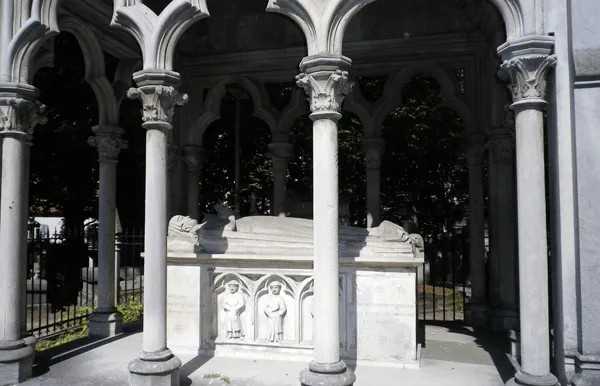
Heloise & Abelard: Medieval Love and Memory
Romance, scholarship, and medieval devotion condensed into a monument: how Heloise and Abelard’s story is read today.
→
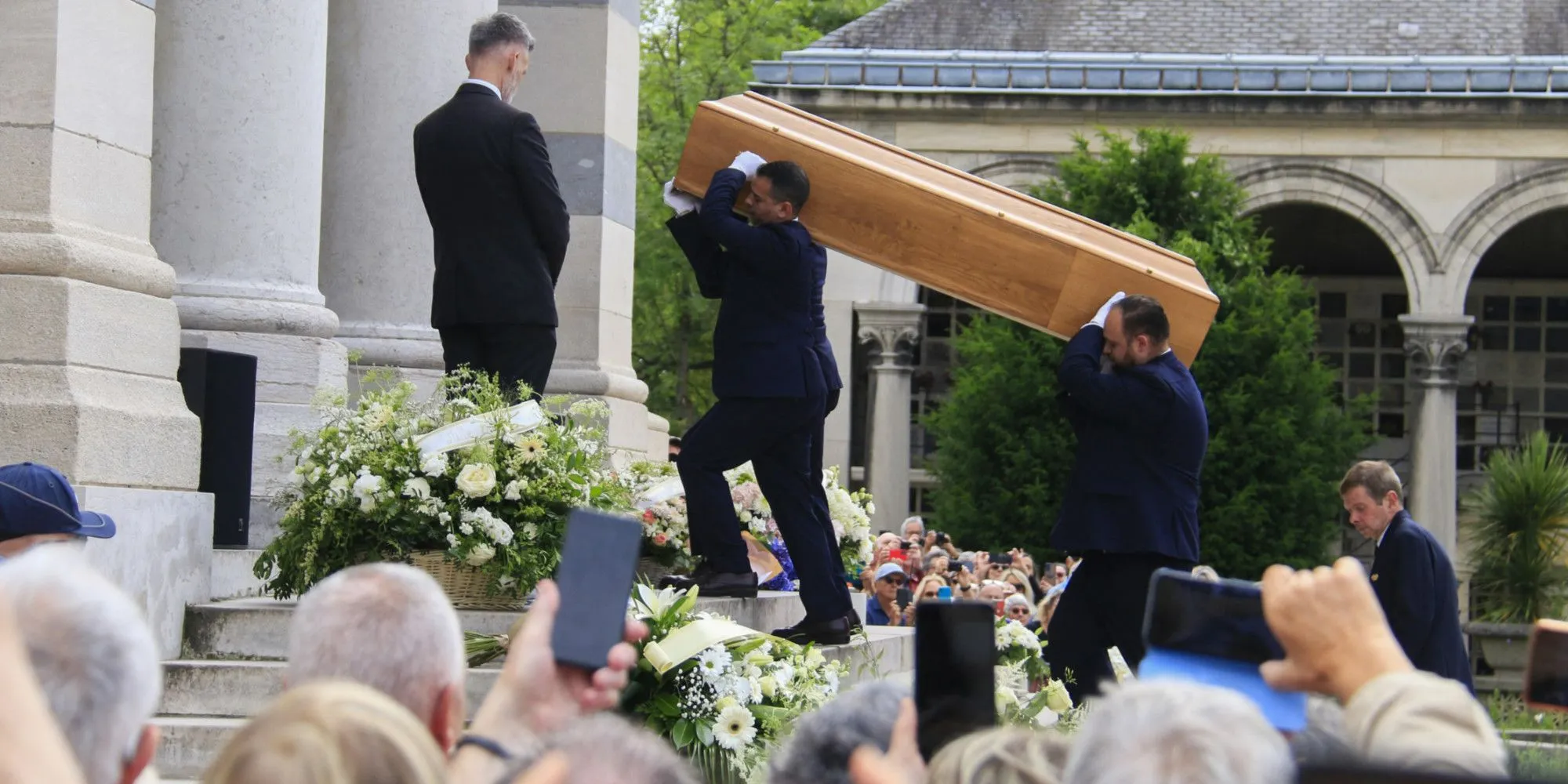
Édith Piaf’s Funeral: Crowds, Media, and Memory
The choreography of a public farewell: how crowds, photography, and press formed a ritual archive.
→
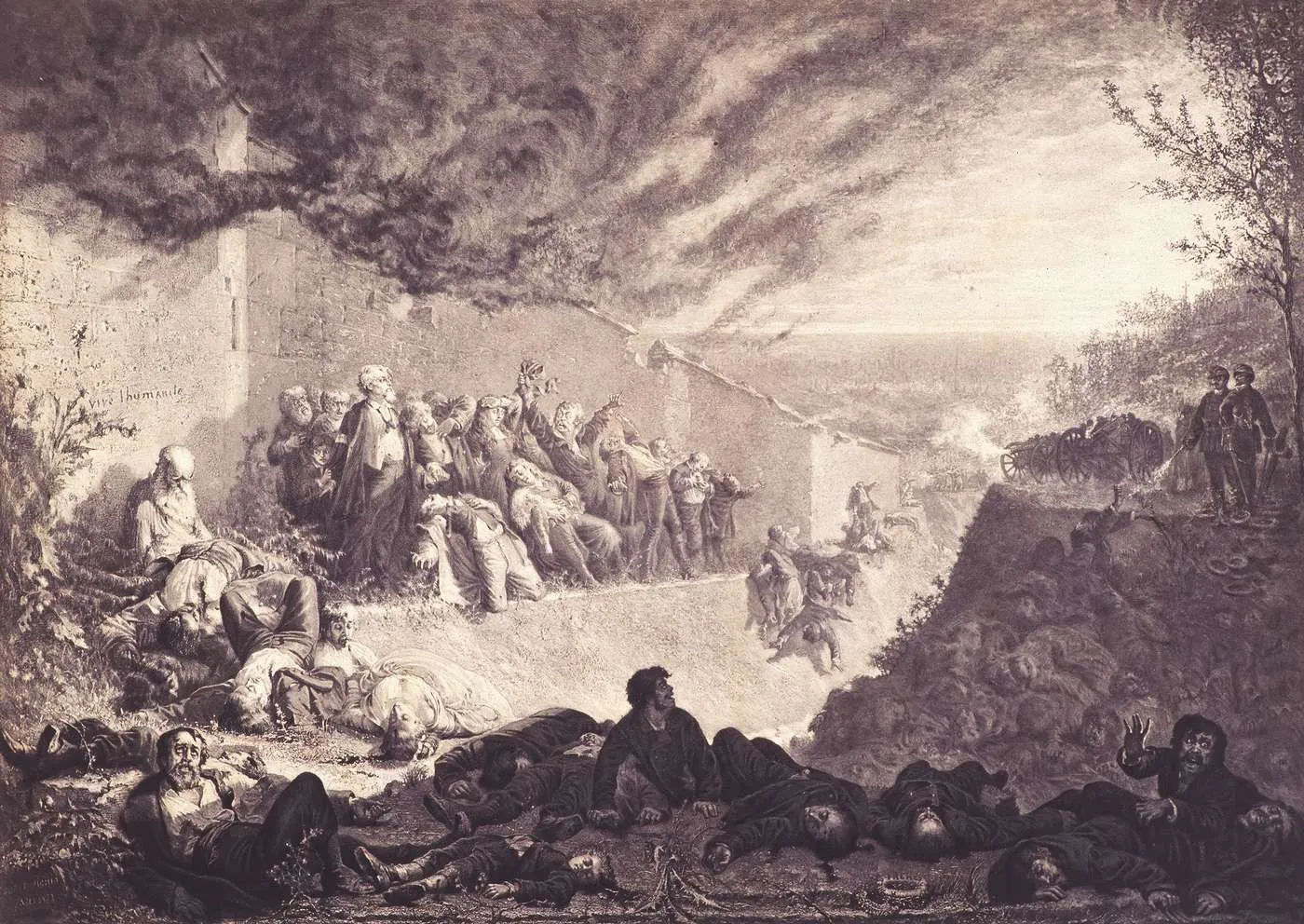
Map History: Old Charts and Cemetery Miniatures
Old maps and miniatures as windows into past layouts: how cartography and illustration shaped visitor understanding.
→
Heloise & Abelard: Star‑Crossed Lovers of Medieval Paris
The legendary teacher and pupil whose secret marriage, separation, and letters forged Paris’s most enduring romantic myth.
→
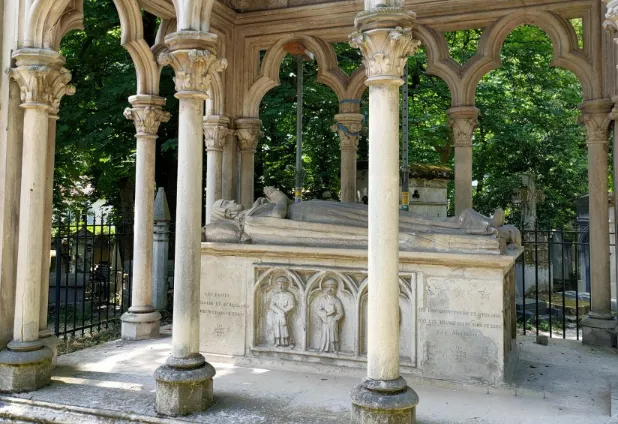
Reading the Tomb: Transfer, Iconography, and Public Memory
How the transfer of Heloise and Abelard’s remains popularized Père Lachaise — and how iconography teaches visitors to read eternal love.
→
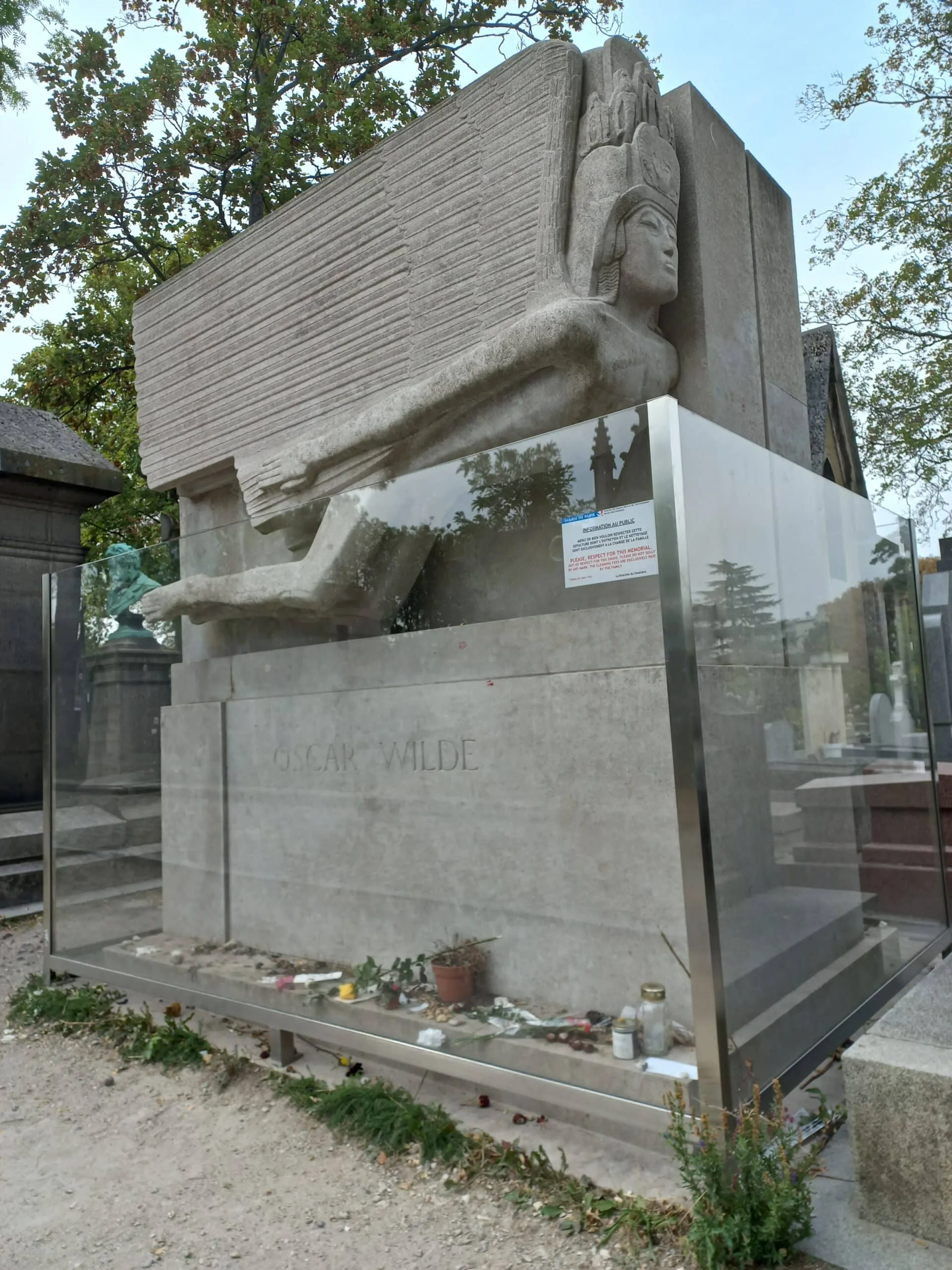
Oscar Wilde’s Tomb: Pilgrimage, Myth, and Conservation
The art and afterlife of Epstein’s monument: fan rituals, lipstick bans, and the paradox of preserving touch.
→
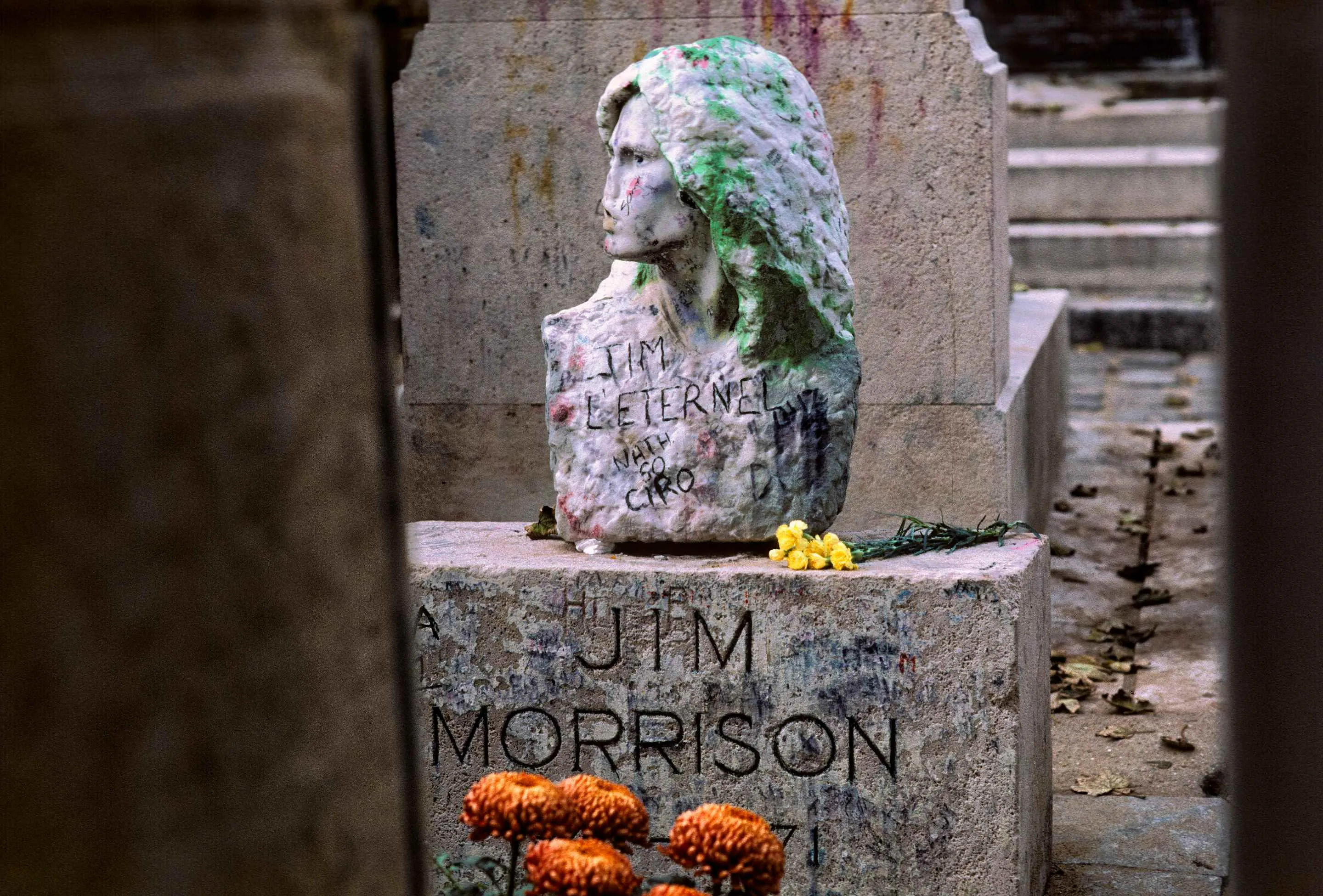
Jim Morrison’s Grave: Rituals, Maps, and Fandom
A look at how rock pilgrimage reconfigures cemetery space: paths, crowd management, and fan markings.
→
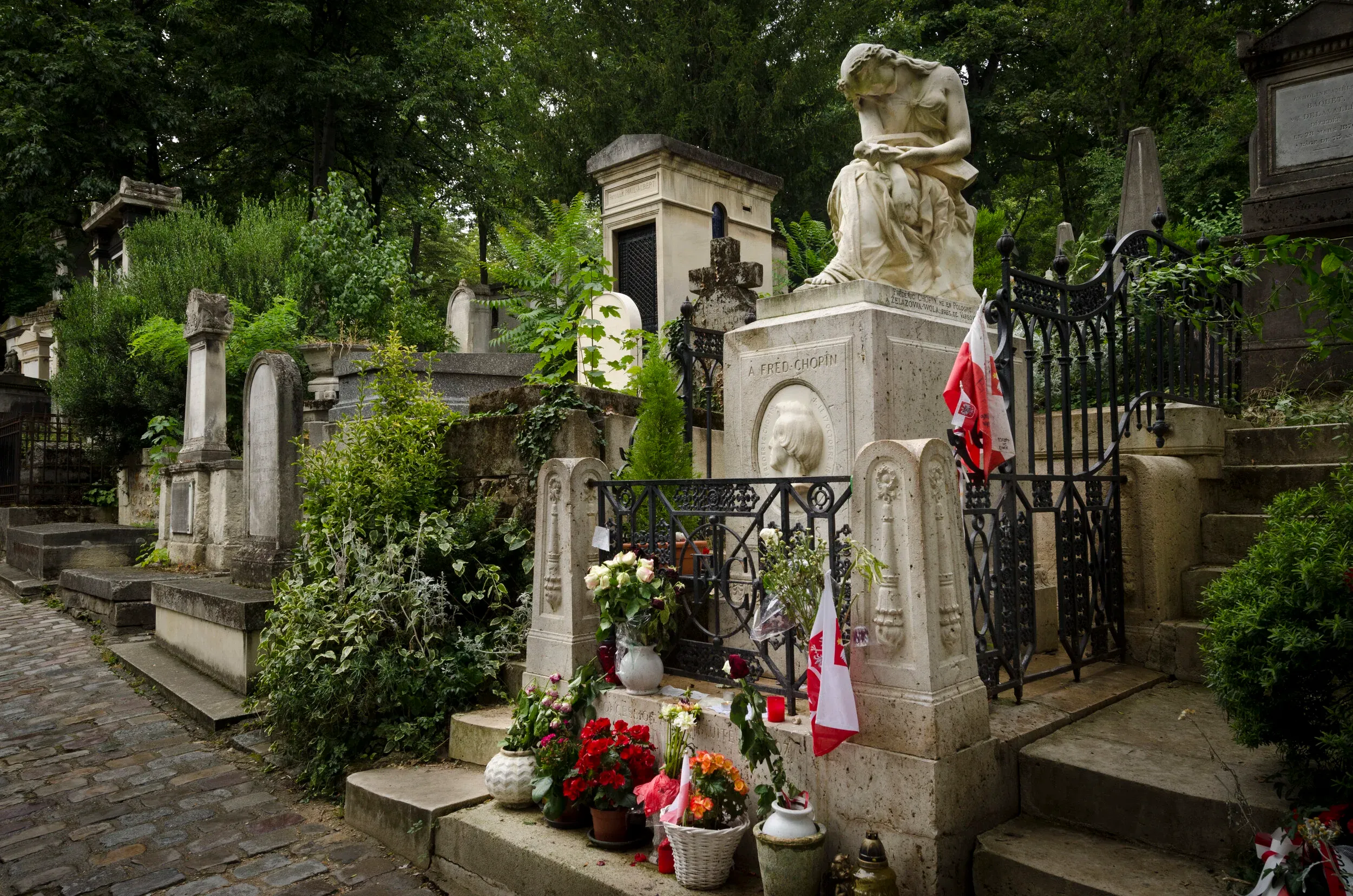
Chopin: Funerary Aesthetics and Aural Memory
Material, inscription, and the imagined soundscape around Chopin’s tomb: how music haunts stone.
→
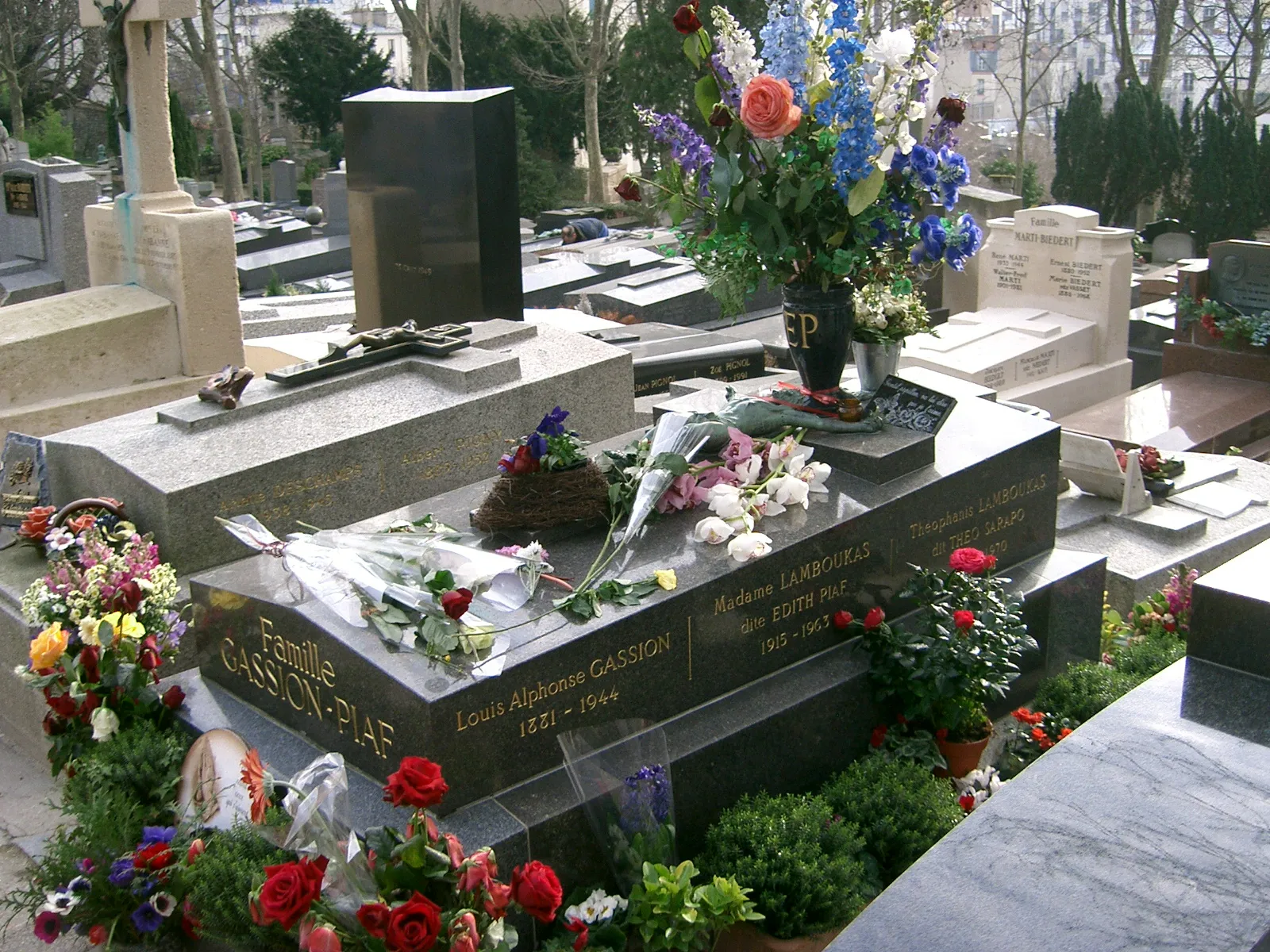
Édith Piaf: Devotion, Legend, and Communal Voice
Why Piaf’s tomb is a collective chorus: rituals, objects, and the aesthetics of popular memory.
→
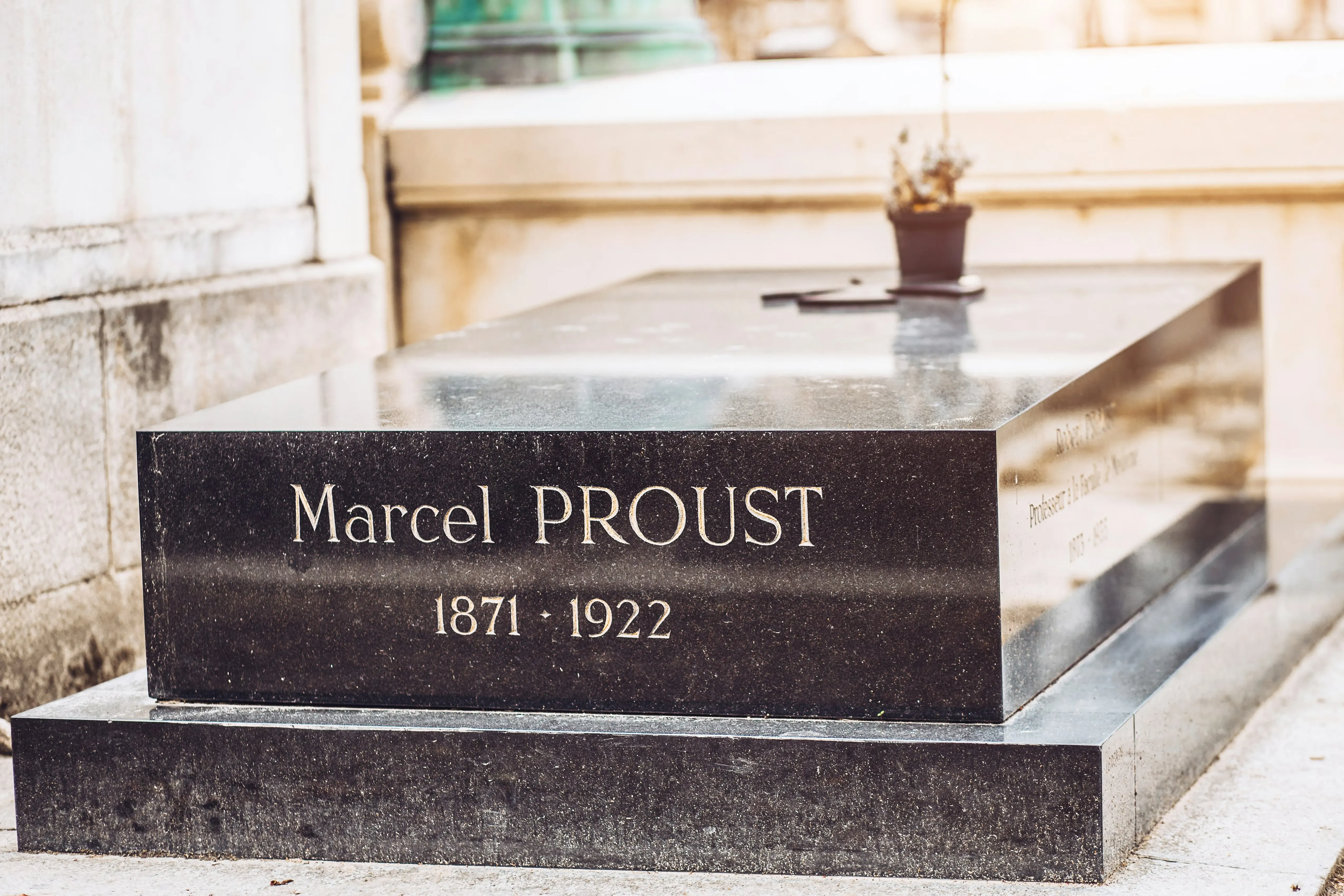
Marcel Proust: Memory Cartography and Silent Rituals
Walking to Proust’s tomb as a phenomenology of memory: mapping routes, reading inscriptions, and quiet observances.
→
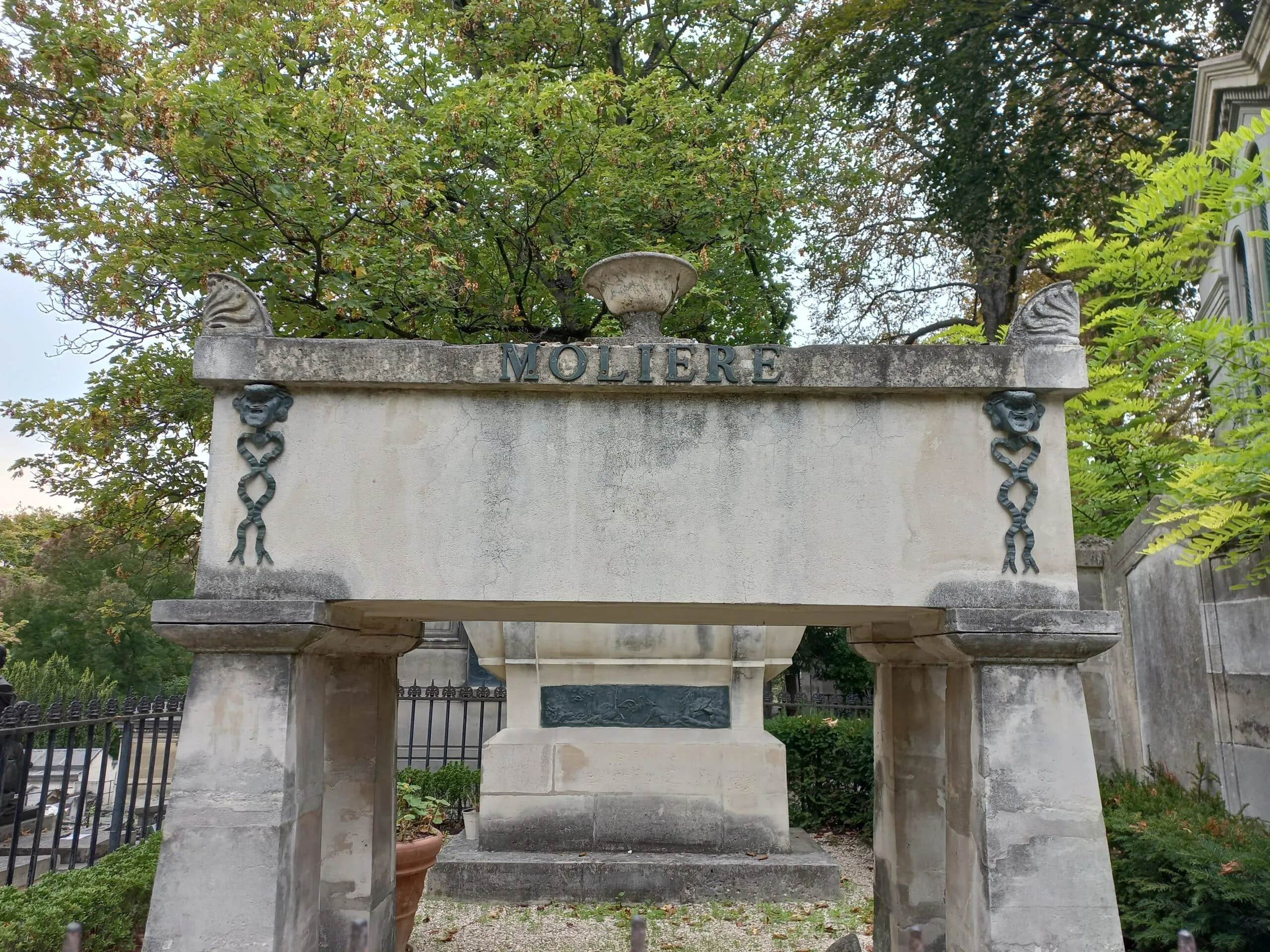
Molière: Theater Legacy and Funerary Iconography
How theatrical memory is staged in stone: Molière’s tomb and the aesthetics of performance remembrance.
→
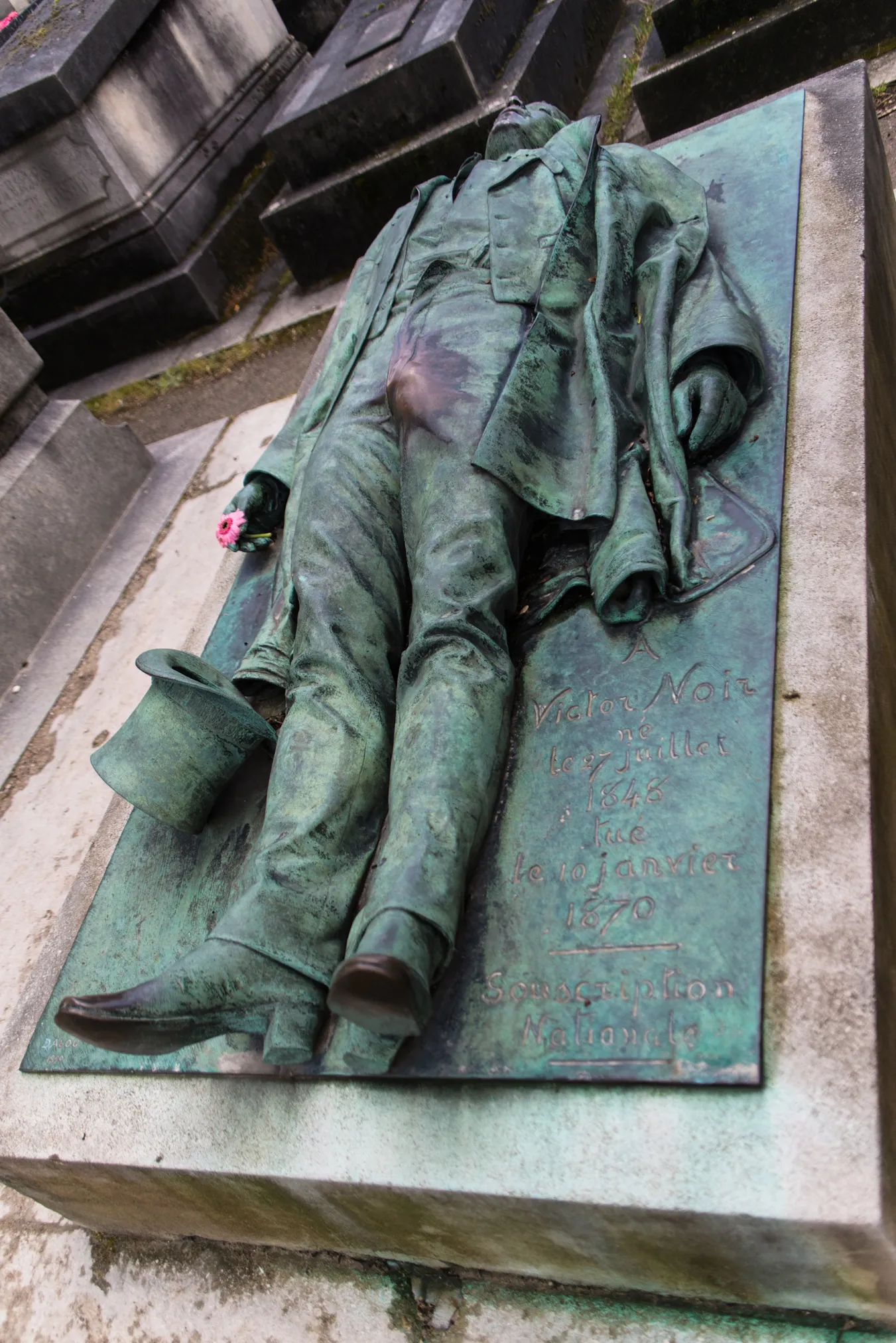
Victor Noir: Myth, Fertility Ritual, and Public Legend
From journalism to myth: the Victor Noir tomb and the curious rituals of touch that reframe bronze.
→
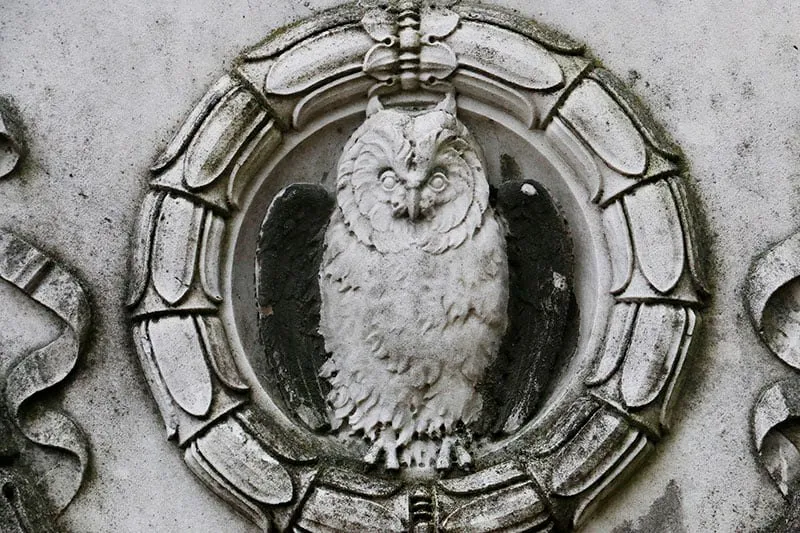
Symbolic Statuary: Owls, Bats, Angels, and Sleep
Reading funerary symbols in stone and bronze: wisdom, night, guardianship, and the poetics of sleep.
→
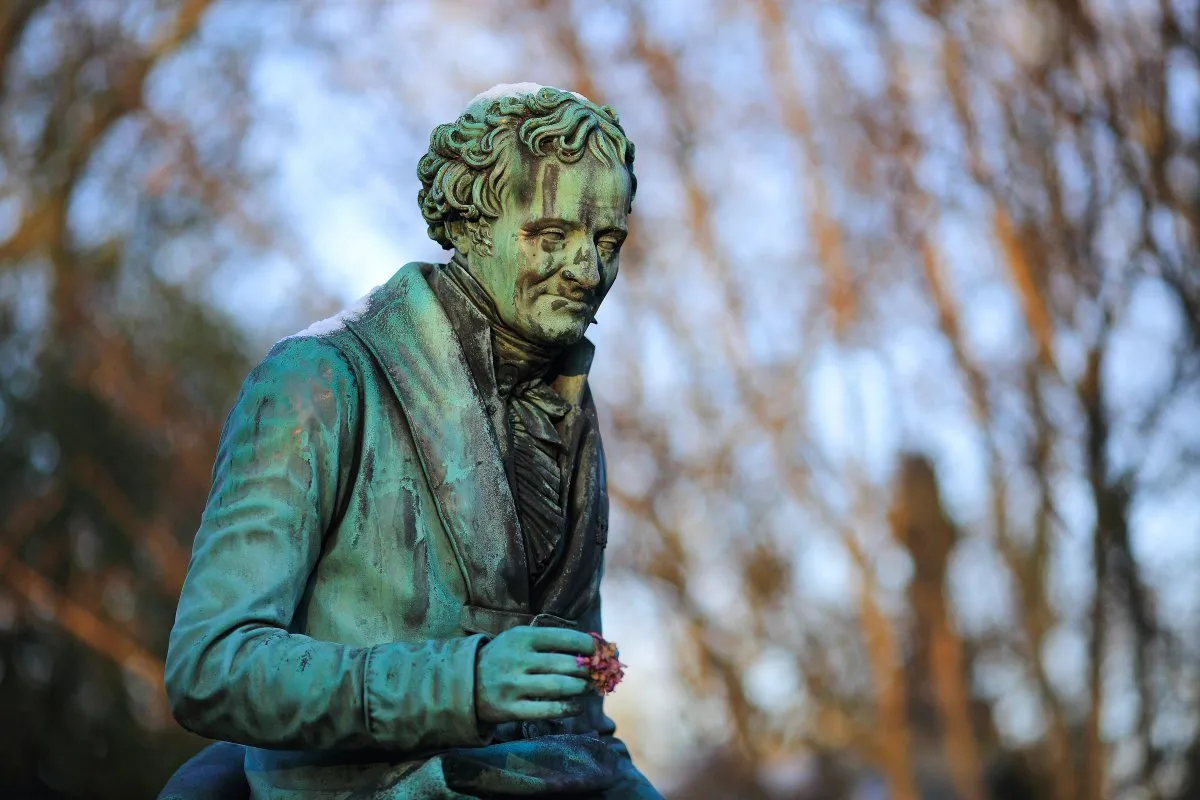
Bronze & Stone: Material Craft at Père Lachaise
Techniques, patina, and weathering: how material craft shapes the look and longevity of funerary art.
→
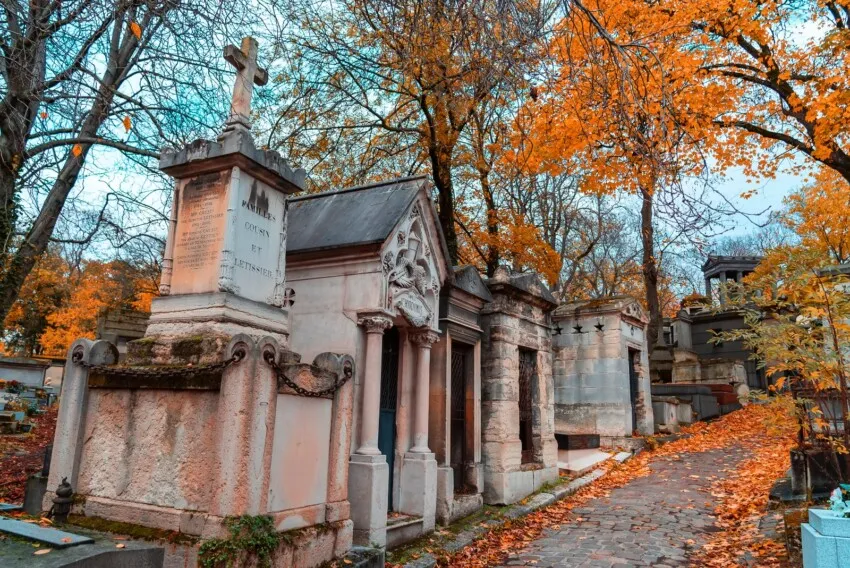
Paths, Seasons, and Atmosphere: Autumn Light
How seasonal change re‑configures reading and walking: autumn leaves, filtered light, and contemplative strolls.
→
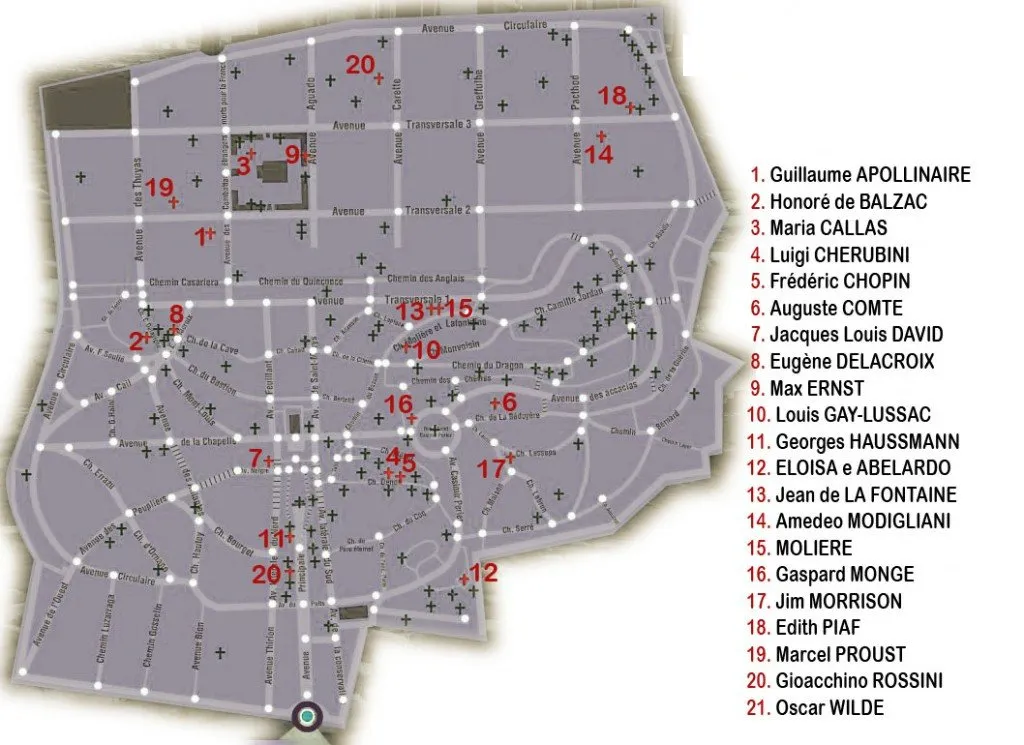
Maps & Wayfinding: Strategies for Visiting Père Lachaise
How to plan routes: using official maps, thematic paths, and decision points to see more with less wandering.
→
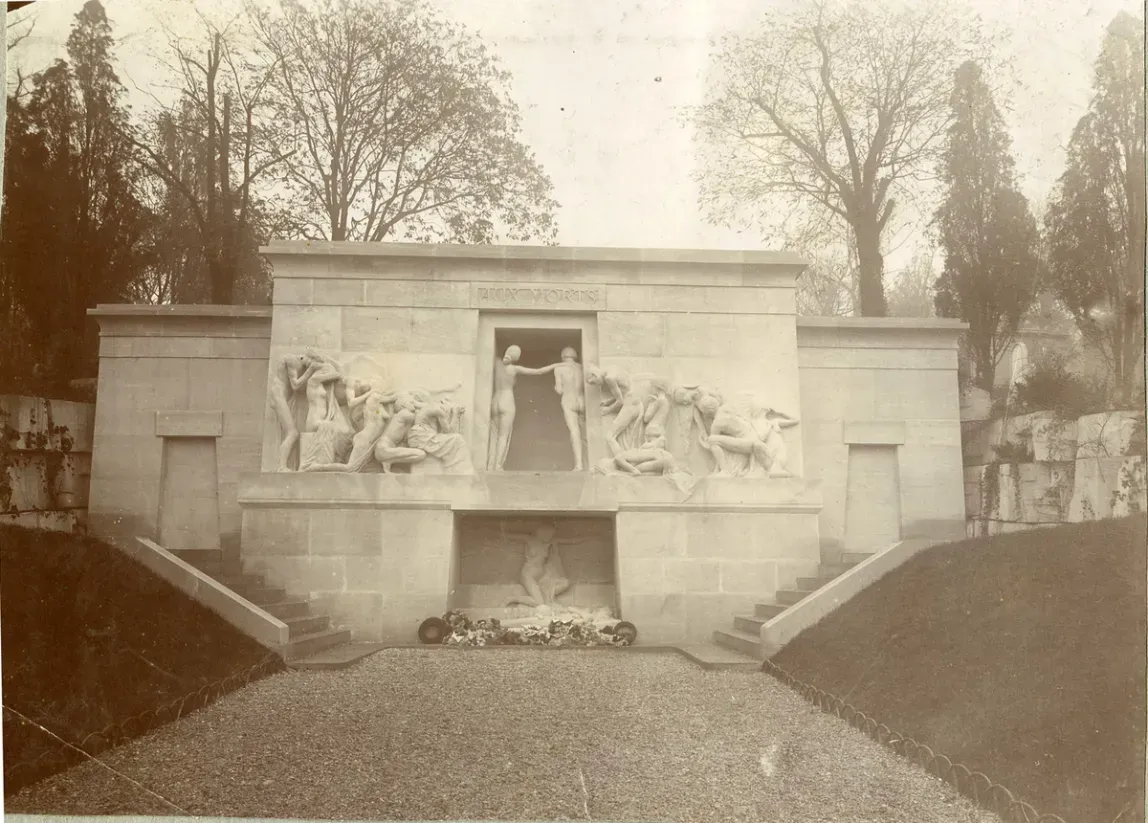
Monument aux Morts: Collective Memory and Ritual
A focal point for shared remembrance: the Monument aux Morts and common graves in public mourning.
→
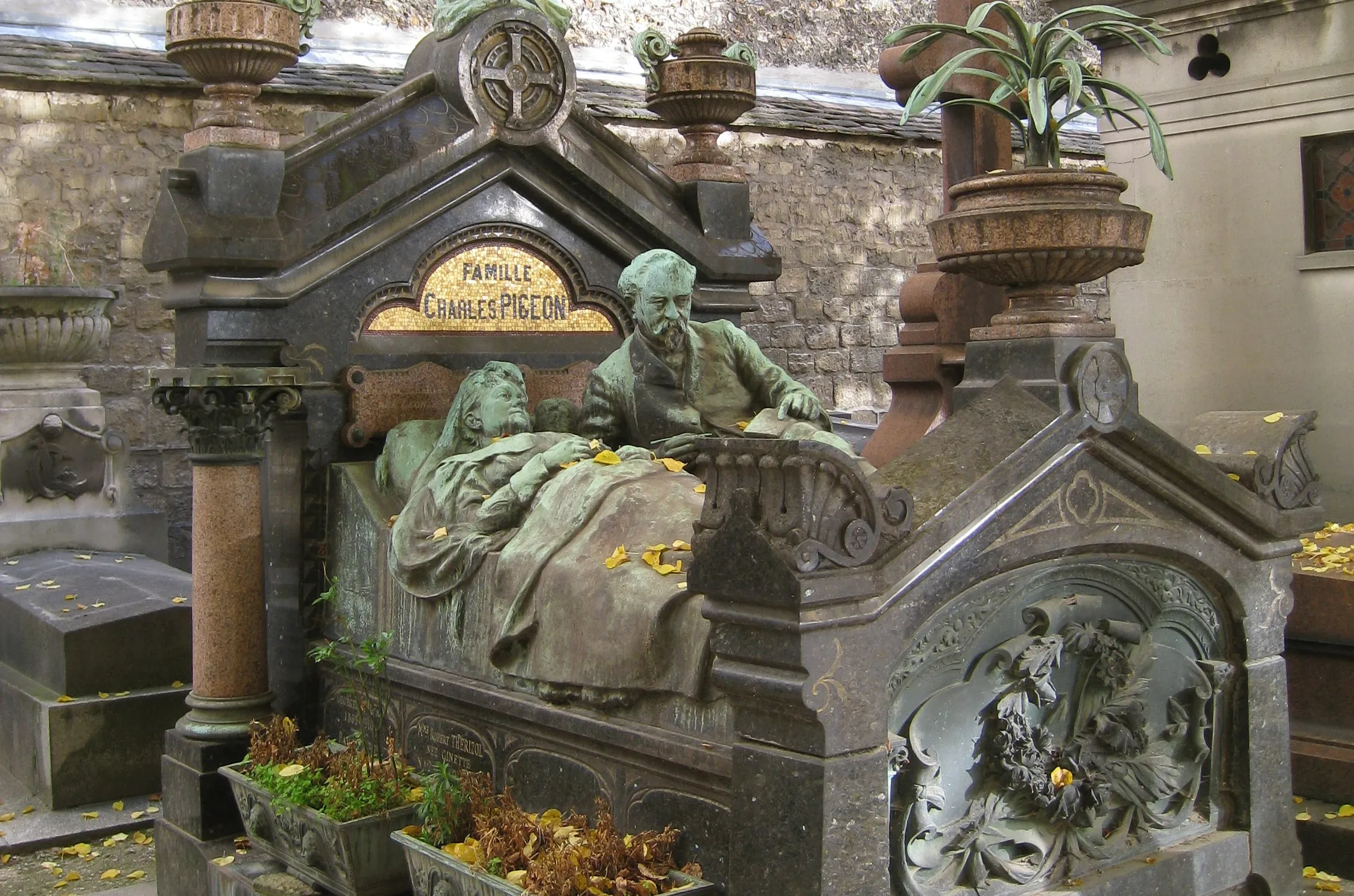
Birds, Ecology, and Flora: Living Systems in Stone
A walk through ecological textures: pigeons, ravens, mosses, and how flora inhabits funerary surfaces.
→
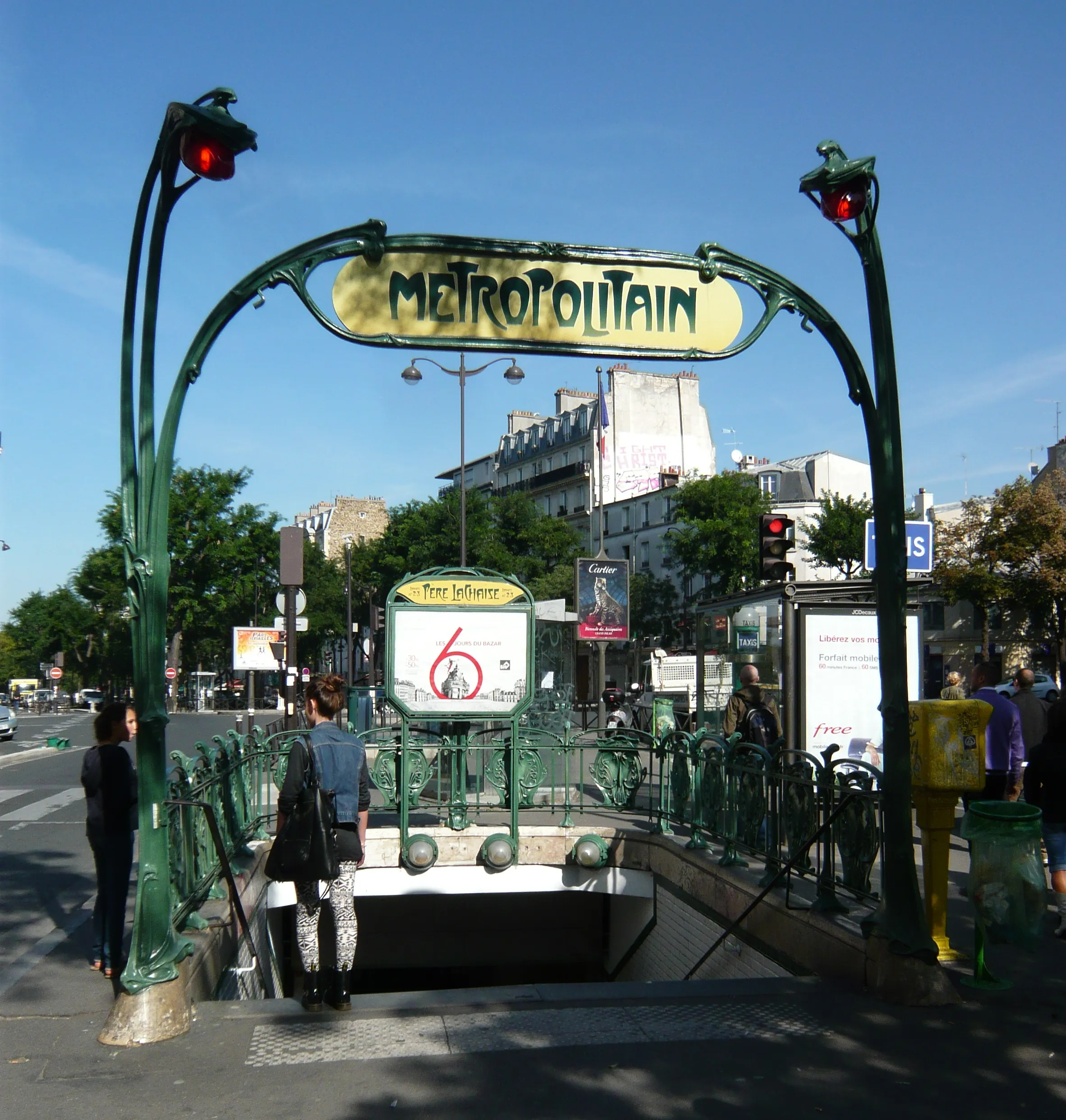
Practical Access: Metro Stops and Entrances
How to arrive smartly: metro lines, entrances, and first decision points to begin a thoughtful visit.
→
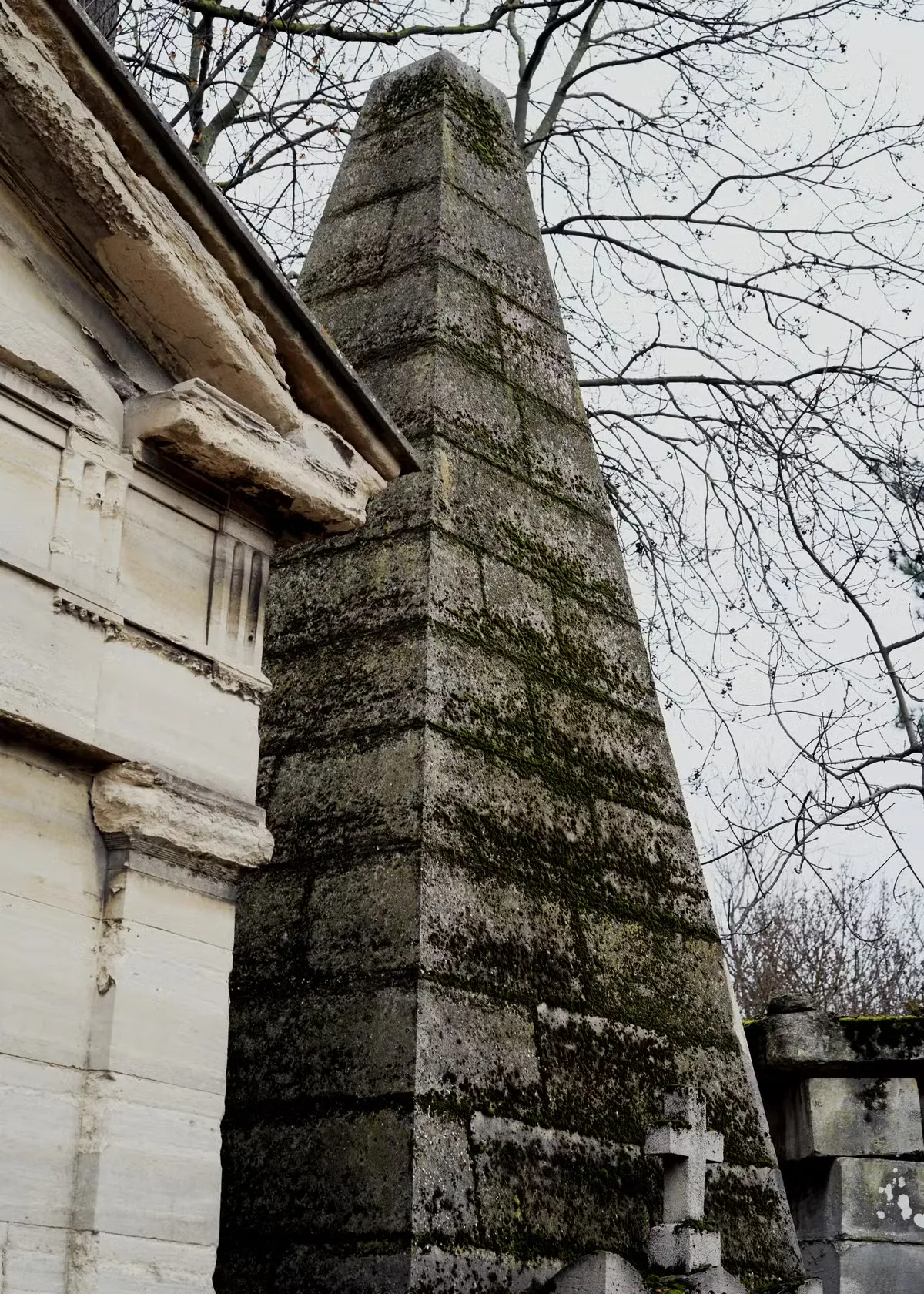
Styles & Typologies: Neoclassical, Gothic, and Hybrids
Identifying styles across plots: pyramids, chapels, neo‑Gothic details, and how typologies cluster by era.
→
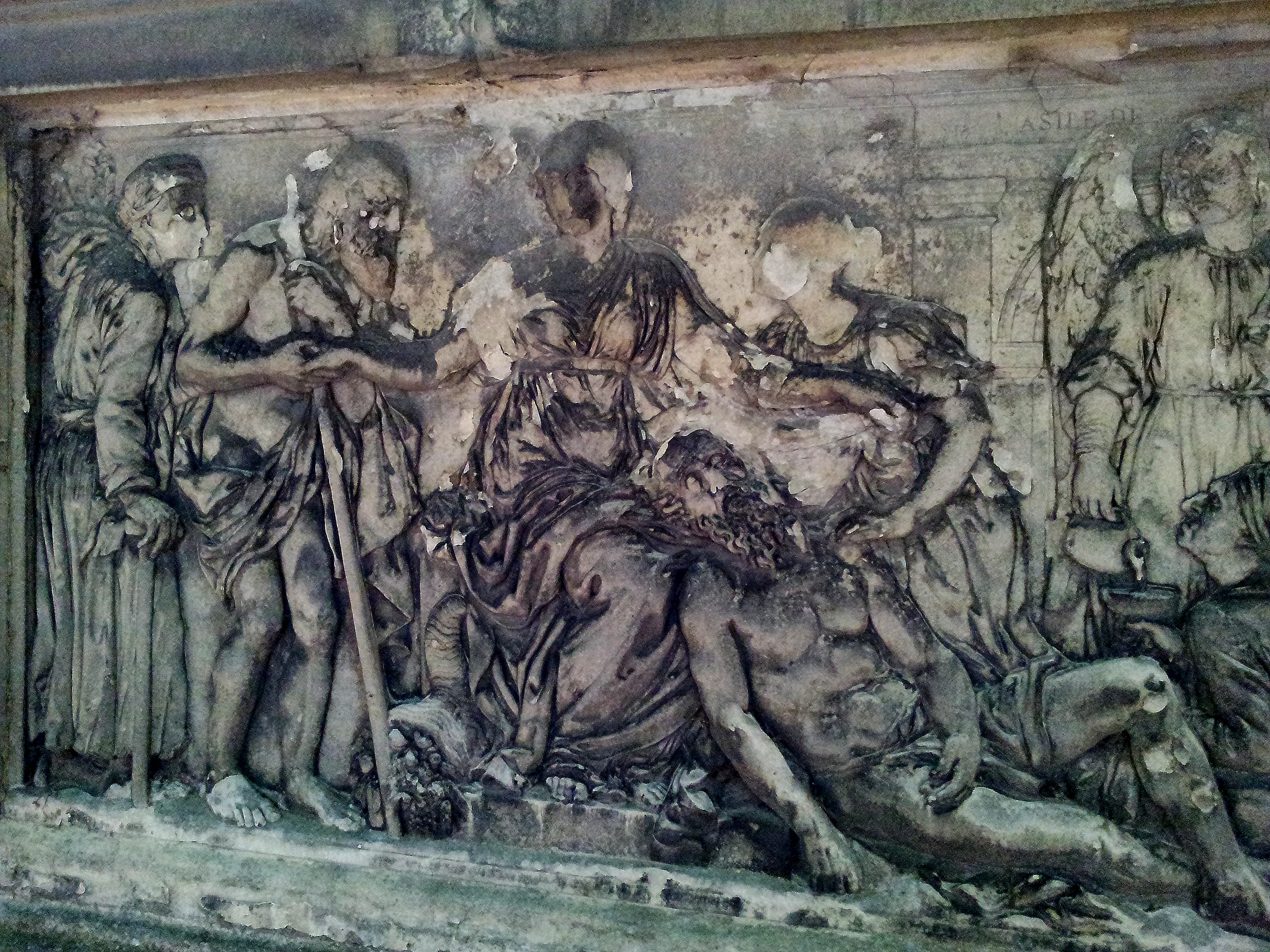
Inscriptions & Typography: Reading Stone Texts
Lettering, carving depth, and weathering: how inscriptions age, and what typographic choices communicate.
→
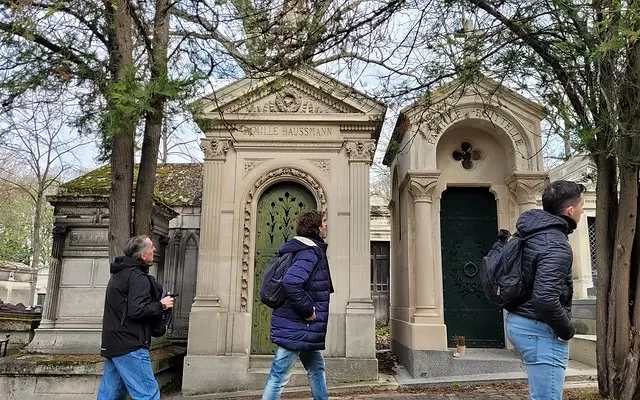
Guided Tours & Etiquette: Best Practices
How to tour respectfully: group pacing, voice, and micro‑rituals that keep the cemetery calm and legible.
→
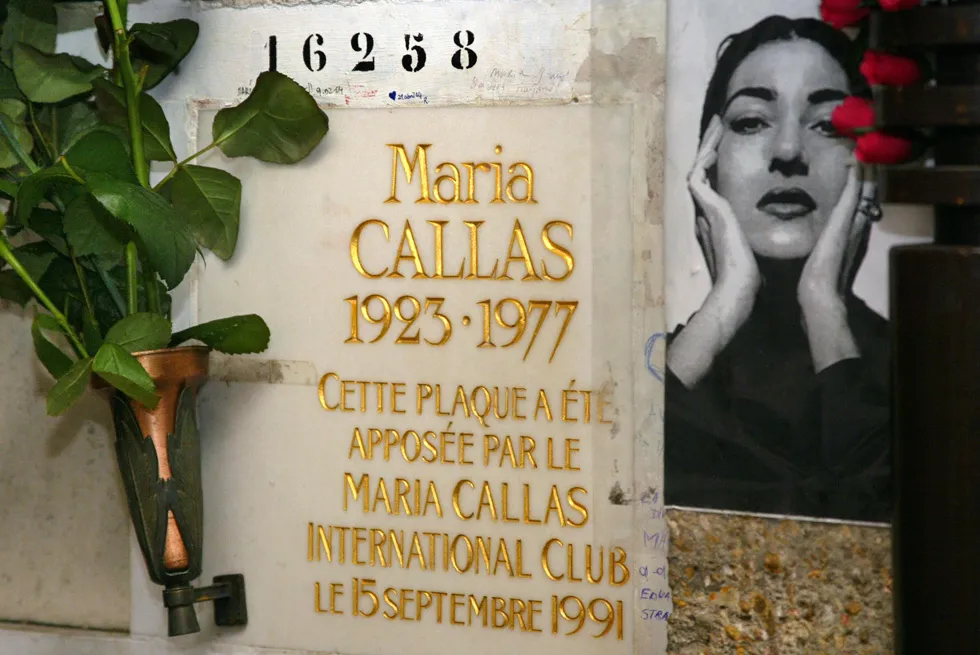
Maria Callas: Voice, Silence, and Devotion
From opera stages to cemetery paths: how Callas’s memory is voiced softly in offerings and silence.
→
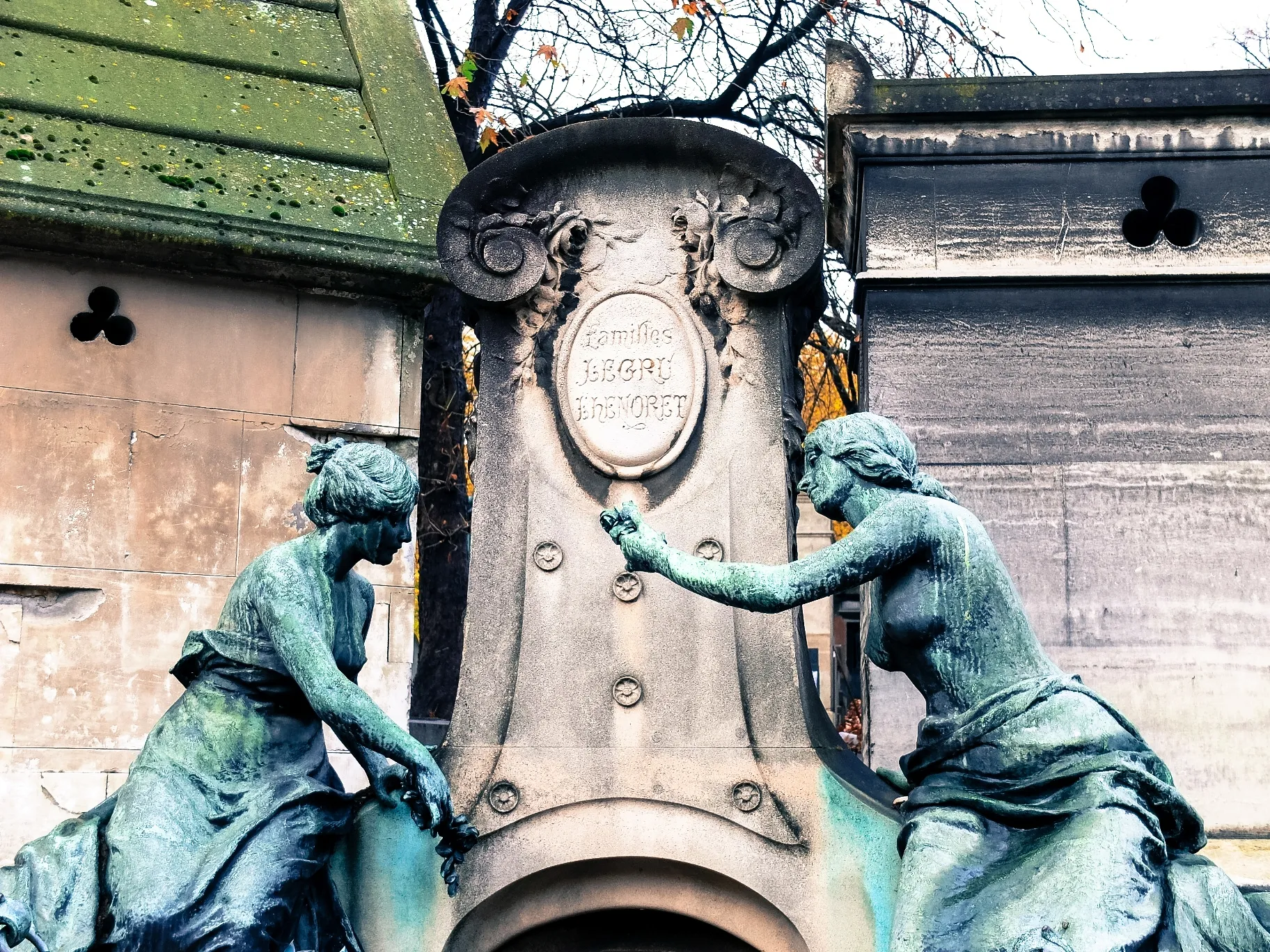
Families & Lineages: Grave Architecture and Icons
How family plots express lineage: architecture, shared symbols, and the aesthetics of togetherness.
→
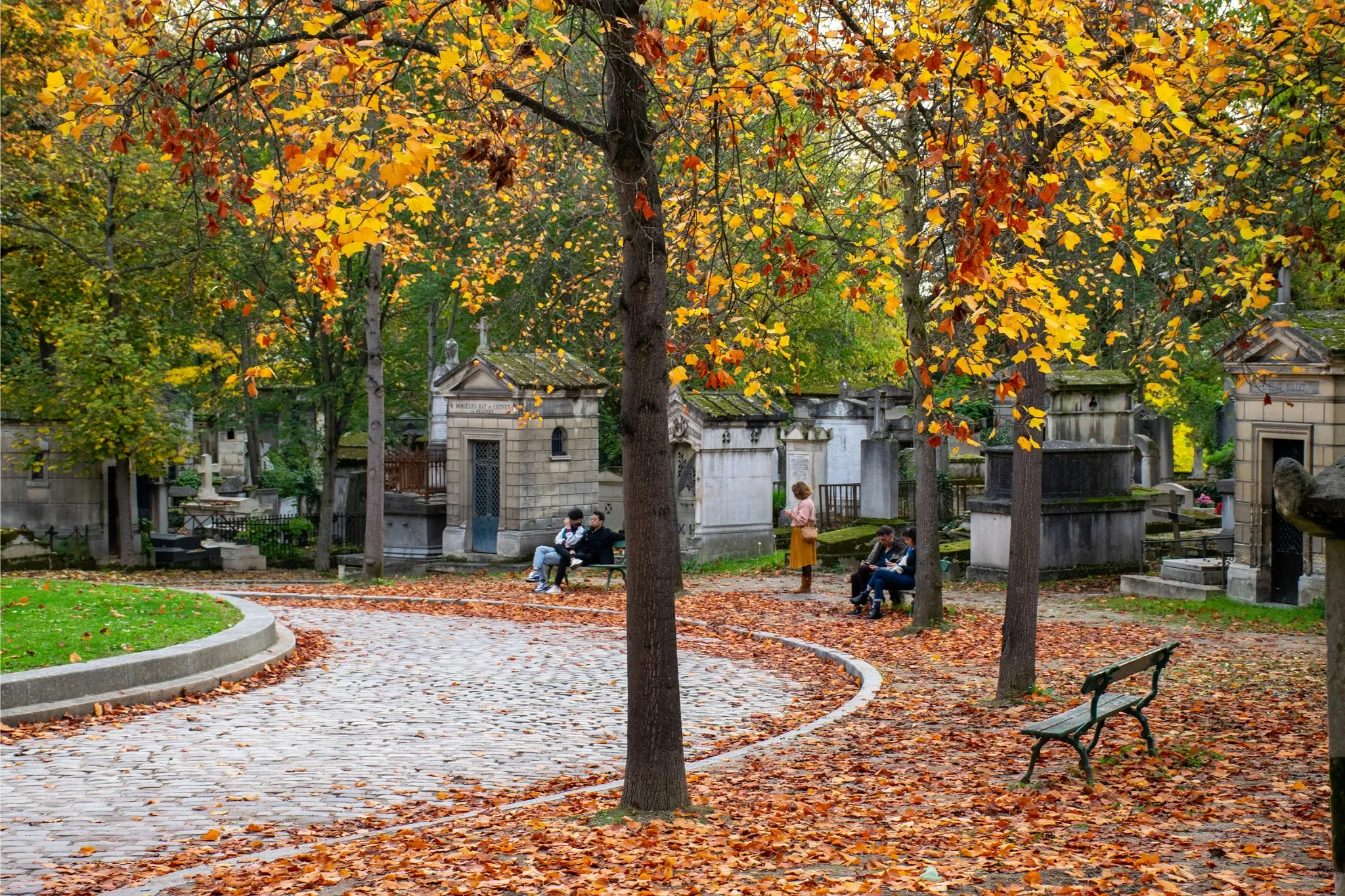
Benches, Rest, and Contemplation
The role of benches and small pauses: how sitting structures attention and reading of place.
→
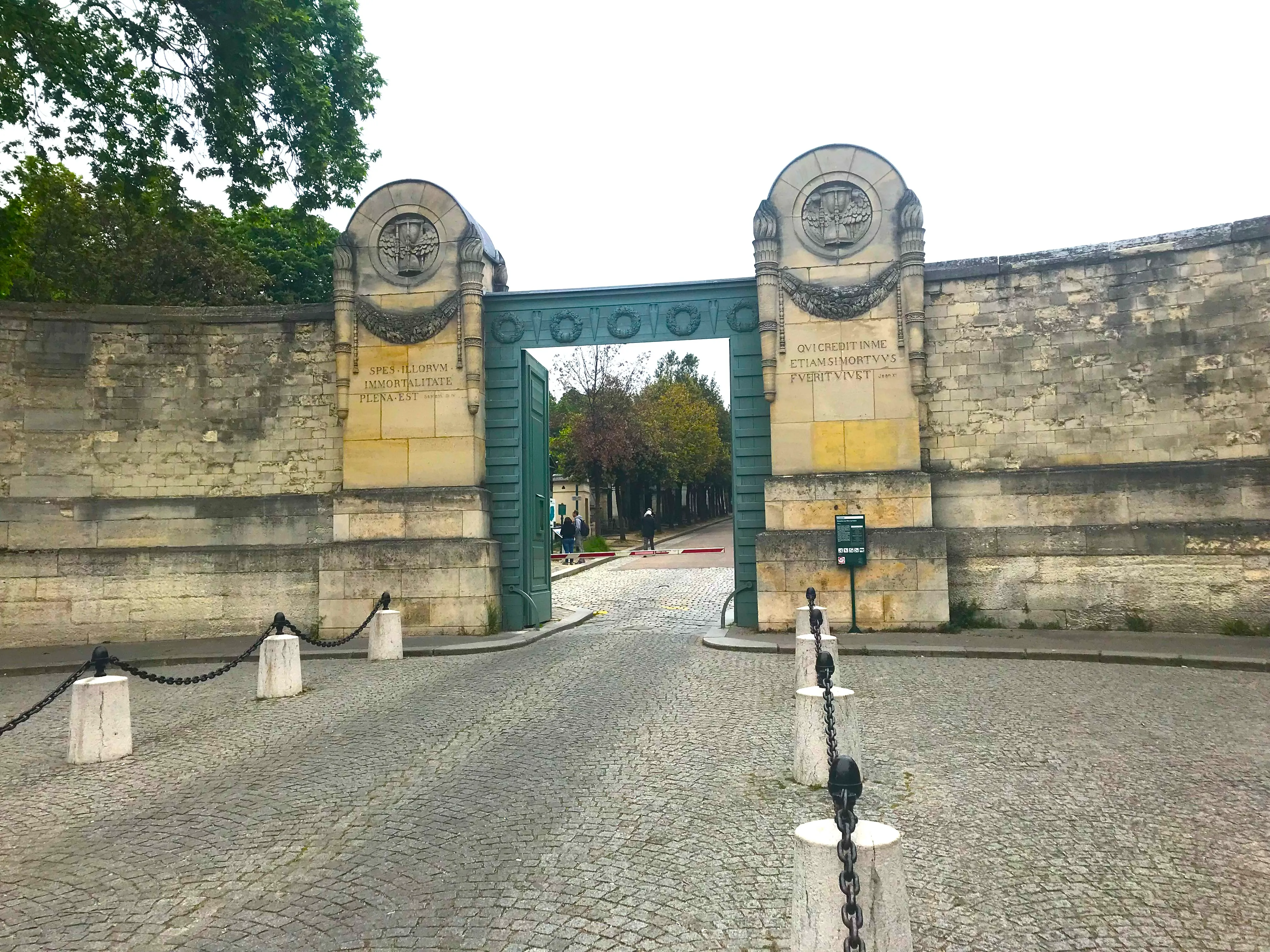
Entrances: Architectures and Thresholds
Thresholds frame visits: entrances as symbolic and functional devices in the choreography of arrival.
→